REPORT
The International Liver Congress™, Amsterdam, the Netherlands 2017
Congreso Internacional del Hígado™, Ámsterdam, Holanda 2017
]]>
Julio C Aguilar-Rubido1, Maarten A A van de Klundert2, Marie-Louise Michel3
1Centro de Ingeniería Genética y Biotecnología, CIGB. Ave. 31 entre 158 y 190, Cubanacán, Playa, CP 11600, La Habana, Cuba.
2Technical University of Munich, Munich, Germany.
3Institut Pasteur, Paris, France.
ABSTRACT
The International Liver Congress 2017 (ILC2017) was celebrated on April 19-23, 2017 at the RAI Convention Center in Amsterdam, The Netherlands. The ILC2017 covered new developments, research updates and technological advancements in the field of liver diseases. The consolidation of the hepatitis C treatment revolution has led to the approval of direct acting antivirals and their implementation in public health. The impetuous development in the field of chronic hepatitis C is now being followed by an increase in the therapeutic strategies for chronic hepatitis B. The developments of innovative therapies against viral hepatitis are presented in this report, with a special focus on the most clinically advanced chronic hepatitis B treatments. Novel strategies for CHB and global efforts lead by the World Health Organization are also considered, such strategies aimed to prevent disease progression and mortality by liver cirrhosis (LC) and hepatocellular carcinoma (HCC) as a result of viral hepatitis. Moreover, the most relevant issues presented in the 2017 update of the guidelines of the European Association for the Study of the Liver for CHB management are highlighted, considering the discussions taking place during the launching session at the ILC2017 meeting.
]]> Keywords: ILC2017, chronic hepatitis B, hepatitis C, therapy, nucleot(s)ide analogues, therapeutic vaccine.
RESUMEN
El Congreso Internacional del Hígado™, en su edición de 2017 (ILC2017) se celebró del 19 al 23 de abril, en el Centro de Convenciones RAI, ubicado en Ámsterdam, Holanda. En esta nueva edición se dio cobertura a los nuevos desarrollos, las investigaciones más actuales y los avances tecnológicos en el campo de las enfermedades hepáticas. La consolidación de la revolución mediada por los tratamientos con los antivirales de acción directa contra la hepatitis C crónica ha conllevado a su aprobación e implementación como parte de los programas de salud pública. Tan impetuoso desarrollo en el tratamiento de la hepatitis C ha impulsado el incremento de las estrategias terapéuticas disponibles contra la hepatitis B crónica (HBC). En este reporte se presentan las estrategias terapéuticas más innovadoras contra las hepatitis virales, con especial énfasis en los tratamientos contra la HBC más avanzados en etapas de ensayo clínico. También se presentan las nuevas estrategias en investigación y los esfuerzos guiados por la organización Mundial de la Salud contra la HBC. Dichas estrategias están dirigidas a prevenir contra la progresión de la enfermedad, y contra la muerte por cirrosis hepática y carcinoma hepatocelular como resultado de las hepatitis virales. Además, en ILC2017 se presentaron los aspectos más relevantes sobre la actualización de las Guías de la Asociación Europea para el Estudio del Hígado, vinculadas con la atención a la HBC, seleccionados a partir de los debates durante el lanzamiento de dichas Guías durante ILC2017.
Palabras clave: ILC2017, hepatitis B crónica, hepatitis C, terapia, análogos de nucleót(s)idos, vacuna terapéutica.
INTRODUCTION
The International Liver Congress™ 2017 (ILC2017) is the annual meeting of the European Association for the Study of the Liver (EASL). It was held on April 19-23, at the RAI Convention Center in Amsterdam, The Netherlands. The ILC2017, considered the biggest event in the 2017 European calendar, attracting up to 10 000 delegates from all over the world, mainly scientific and medical experts.
]]> The latest developments in science and research in hepatology were presented and debated at the ILC2017. It is translated into insights and future guidelines for the treatment and management of liver diseases. This report discusses the developments of innovative therapies targeting viral infections of the liver as presented at the ILC2017, with a special focus on chronic hepatitis B virus (HBV) infection and the global efforts aimed to prevent disease progression and mortality by liver cirrhosis (LC), and hepatocellular carcinoma (HCC).
EASL CLINICAL PRACTICE GUIDELINES FOR CHRONIC HEPATITIS B (CHB) MANAGEMENT
The 2017 update
The new version of the CHB Clinical Practice Guidelines (CPGs) from the EASL was presented in a dedicated session at the ILC2017 [1, 2]. New guidelines for CHB management were updated by a multinational panel of experts in the field, who proposed modifications presented to the audience, and the final document was distributed at the end of the session.
The new version of the EASL guidelines integrates scientific advances on diagnosis and therapy of CHB, thereby providing clear guidance to clinicians and healthcare providers for the management of acute and chronic HBV infections. The EASL HBV CPGs are the first guidelines to include advice on application of the new antiviral drug tenofovir alafenamide (TAF).
Recommendations were included to stop antiviral therapy in HBeAg-negative patient populations on long-term treatment.
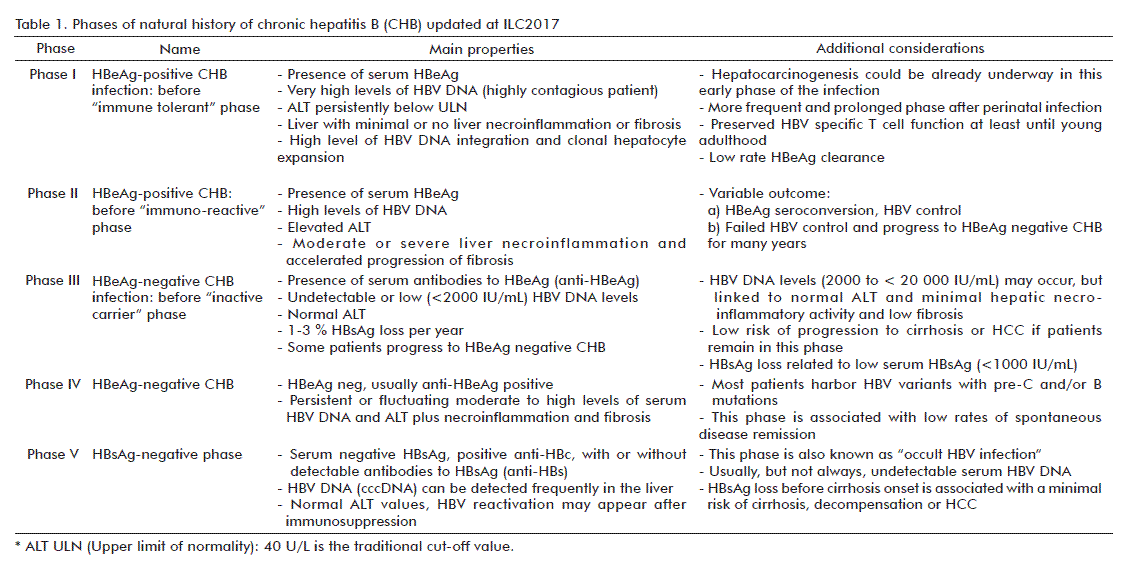
The updated HBV CPGs are based on an extensive systematic review of the most current literature, providing recommendations on new definitions of disease phases that will better guide clinicians on treatment indications (Table 1). Additionally, they expanded indications for initiating treatment in order to prevent mother-to-child transmission, and clear cut recommendations for specific patient populations such as children, patients with extrahepatic disease manifestations and those requiring prevention of reactivation. The CPGs also included practical recommendations for patients with nucleot(s)ide analogs (NUCs) resistance and rules for response-guided therapy in patients receiving pegylated interferon for HBV.
Unresolved issues and unmet needs
]]> The ILC2017 provided an excellent opportunity to understand the current situation in the field of CHB treatment, the issues that remain unresolved as well as the problems still pending of solution. This is very relevant to design the objectives of current and future investigations. Among those unresolved issues were: when to start antiviral therapy in patients with HBeAg-positive chronic HBV infection; which stopping rules are optimal for HBeAg-negative patients under NUCs as well as the criteria of retreatment after discontinuation of NUCs; the search of ways to accelerate the decline of HBsAg levels in patients during long term treatment with NUCs; the improvement in the early discontinuation predictors for patients treated with PegIFNα; the definition of the residual risk of HCC in patients on long-term therapy with NUCs and the impact of this data on HCC surveillance.Several issues were regarded still as unmet, such as the need for new treatments with finite duration and high cure rates, defining a cure of HBV infection, novel endpoints and biomarkers for the cure from the infection and from the liver disease [1, 2].
Treatment discontinuation in HBeAg-negative patients
HBV eradication is not accomplished by treatment with NUCs, and the impact of antiviral therapy on HBsAg loss is minimal, considered as a rare event [3]. Hence, most CHB patients receive NUCs therapy for life. Three stopping rules were defined: 1) if HBsAg is negative with or without anti-HBs antibodies; 2) a second stopping rule was previously approved in patients with HBeAg-positive CHB: NUC treatment can be discontinued if they achieve stable HBeAg seroconversion and HBV DNA undetectability after completing 6 to 12 months of consolidation therapy [4, 5]; in this group, HBeAg seroconversion will be sustained in approximately 90% of patients, and HBV DNA will remain between 2000-20 000 IU/ mL in approximately 50 % of patients at 3 years after stopping NUCs; and 3) in HBeAg-negative patients, discontinuation of NUCs was considered as a recommendation for the first time in European guidelines for non-cirrhotic HBeAg-negative patients who have achieved HBV suppression under NUCs during three years, provided that a close post-treatment monitoring of DNA and ALT can be guaranteed. A review and metanalysis [6] compiled clinical experiences [7, 8] of treatment discontinuation in support of this novel recommendation. A recent clinical experience [9] also supported the benefit of treatment cessation for an important proportion of HBeAg-negative patients.
According to Dr. Papatheodoridis, an expert in this field taking part of the Clinical Practice Guidelines (CPGs) panel, the maintenance of the inactive carrier state seems to be the most clinically relevant endpoint for patients discontinuing NUCs [6]. He proposed that HBV DNA levels below 2000 UI/mL accompanied by normal ALT activity, instead of undetectable HBV DNA, represents a reasonable definition of post-therapy remission. A conservative definition of post-NUC remission may lead to unnecessary early retreatment. Upon cessation of therapy, HBeAg negative patients often develop viral rebound and early transient beneficial flares that can indicate the mount-ing of an adaptive immune response. This may lead to long-lasting remission and spontaneous HBsAg clearance in an important proportion of these patients according to recent studies [2, 6].
Patients with relapse after cessation need to be carefully assessed and considered for retreatment. Nevertheless, there was an overwhelming agreement of the audience with ILC panel considerations on the fact that defining relapse based on just one or two HBV DNA determinations usually underestimate the clinically relevant long-term response rate in this setting. It is now known that an important proportion of patients will suppress HBsAg if the immune response is developed in post-treatment discontinuation, without the fast reintroduction of NUCs therapy. The retreatment with NUCs would suppress this natural therapeutic benefit after discontinuation. Thus, based on panel ex-perts’ opinions and also on metanalysis, it is recommended a follow-up at least during the first 12 months following cessation of NUCs. It was a consensus that the confirmation of relapse should take into consideration the ALT and HBV DNA kinetics instead of single determinations of HBV DNA and ALT at specific time points post-cessation of treatment [2, 6].
The clinicians may choose to continue therapy with NUCs until HBsAg clearance, however, the current clinical data obtained under controlled conditions evidenced that a proportion of the patients that discontinue antiviral treatment can benefit from the immune activation post treatment. This will lead to viral control and develop serological responses in proportions from 20 to 40 % of them in the following months and years, while those under antiviral treatment cannot [6-9].
THE PRESENTATION OF WHO GLOBAL HEPATITIS REPORT 2017
]]> The World Health Organization (WHO) presented the Global Hepatitis Report 2017 (GHR2017) during the ILC2017. The Report [10] constitutes a valuable tool to promote the United Nations 2030 Agenda for Sustainable Development, which called on the international community to combat hepatitis. The 2016 World Health Assembly adopted WHO’s first ‘Global Health Sector Strategy on viral hepatitis’ with the vision of eliminating viral hepatitis ‘as a public health threat’ by 2030. The ILC2017 was the platform to launch the WHO objective of reducing the new infections by 90 % and the viral hepatitis related mortality in 65 % by 2030.The epidemiology of viral diseases according to the Global Hepatitis Report
The Global Hepatitis Report 2017 (GHR2017) recognizes viral hepatitis as a major public health challenge that requires an urgent response. It is calculated that approximately 1.34 million deaths were caused by viral hepatitis in 2015, a number in the range of annual deaths caused by tuberculosis or HIV. However, mortality from HIV, tuberculosis, and malaria is tending to decline while mortality caused by viral hepatitis is on the rise [10].
According to the epidemiological studies inserted at the GHR2017, still a large number of people, about 325 million worldwide in 2015, are carriers of hepatitis B or C. However, access to affordable care is disturbingly low, as highlighted in the report. The GHR2017 describes, for the first time, the global and regional estimates on viral hepatitis in 2015, setting the baseline for tracking progress in implementing the new global strategy.
Most viral hepatitis deaths in 2015 were due to chronic liver disease (720 000 deaths by LC, 470 000 deaths due to HCC). Almost 0.9 million of the patients died as a result of CHB related end stage liver disease. Globally, in 2015, WHO estimated 257 million people are currently living with chronic HBV infection, and 71 million people with chronic hepatitis C virus (HCV) infection. The African and Western Pacific regions accounted for 68 % of those infected. Mortality from viral hepatitis has increased by 22 % since 2000. Unless people with HBV and HCV infection are diagnosed and treated, the number of deaths due to viral hepatitis will continue to increase [10].
How to reverse the mortality trend of viral hepatitis
The GHR2017 provides guidance on how to reverse this alarming trend, describing a number of high-impact interventions and opportunities for their scaled-up implementation. The GHR2017 recognizes that many countries have achieved outstanding coverage with the hepatitis B vaccines, screening of blood donations and injection safety, substantially reducing the risk of both hepatitis B and C virus infections.
In 2015, global coverage with the three doses of hepatitis B vaccine in infancy reached 84 %, reducing HBV prevalence among children to 1.3 %. However, coverage with the initial birth dose vaccination is still at 39 %. For instance, China achieved high coverage (96 %) for the timely birth dose of HBV vaccines, and reached the hepatitis B control goal of less than 1 % prevalence in children under the age of 5 in 2015. Mongolia improved uptake of hepatitis treatment by including HBV and HCV medicines in its National Health Insurance scheme, which covers 98 % of its population [10].
Access to affordable hepatitis testing is limited. Few people with viral hepatitis have been diagnosed (9 % of HBV-infected persons, 22 million, and 20 % of HCV-infected persons, 14 million). According to WHO, in 2015, only 8 % of those diagnosed with HBV infection or 1.7 million persons were on treatment, while 7.4 % of those diagnosed with HCV infection or 1.1 million persons had started treatment [10]. Horizon 2030 goal is 90 % of individuals vac-cinated and 15 % diagnosed for HBV.
The introduction of direct acting antivirals for the treatment of hepatitis C virus infection
]]> The recent development of highly effective direct acting antivirals (DAAs) with cure rates exceeding 95 % has revolutionized the treatment of chronic hepatitis C infections [11]. While the cumulative number of people treated for HCV reached 5.5 million in 2015, only about half a million had received the newer, more effective and better tolerated class of drugs. Hence, there were more new HCV infections than patients starting treatment in 2015.In relation with the implementation of the HCV treatment with DAAs, Aguilar-Rubido JC interviewed Dr Moises Diago, a specialist in gastroenterology from the Valencia General Hospital, who shed light on the large experience achieved in that Hospital while providing such therapies. Dr Diago recognized a profound impact of DAAs implementation after treatment introduction. Spain has one of the largest patient’s series of DAAs treated cases, and the impact of such DAAs treatments has started to produce an important reduction of HCV related mortality and transplantation requirements.
On Dr. Diago’s opinion, “this is a crucial moment since we can provide HCV patients with a real and more effective treatment than ever. The first clear message is that HCV infection is curable, curable for real, eliminating the virus once and forever, something that is now achieved with oral pills and few side effects. And this contrasts with previous treatments using interferon, which cause significant side effects and a treatment for up to a year. Most DAAs combinations effectively cure HCV, with treatments lasting just a few pills administered daily for up to 12 weeks, achieving 97-98 % of success in any type of patients.”.
Questioned on the privilege position of Spain as showing the highest number of patients treated in Europe and how these novel treatments could impact on those patients’ health to stop progressing to cirrhosis, cancer or other complications, he emphasized: “We have in Spain two years of experience so far, since the start of a Hepatitis C program (on April, 2015). Particularly, I have had the opportunity to treat nearly 700 cases, and the impact is there. Specifically, most cirrhotic patients are not suffering from decompensations anymore. In fact, most hospitalizations are not due to hepatitis C complications. We do not conduct liver transplantations at my hospital (the General Hospital of Valencia, Spain), but he have received confirmation from another hospital in Valencia where this procedure is available, and the number of transplantations is dropping. This makes available a higher number of livers for patients who suffer from other diseases requiring transplantation. The same statistics are emerging in US and Europe. But there is even more than just numbers. In fact, common HCV complications, such as metabolic syndrome, diabetes and other extra-hepatic manifestations are reducing their incidence or improving as well. In other words, we are targeting not only the liver, but also controlling other pathologies with these treatments, and, remarkably, in a very easy way.”.
Hepatitis C remains as a very expensive disease, increasing the budgetary burden of health systems even in developed countries. In this regard, the follow up of patients includes virological assays, histology, imaging, biochemistry and blood tests, among others. Their costs could even increase further during treatment, due to the need for assessing the physiological parameters, to run the tests required for patient enrollment and to control adverse events caused by standard treatments as in case of Peg-IFN. According to current guidelines for the treatment of chronic hepattis C (CHC), this new IFN-free therapies have the potential for full coverage of the entire HCV infected population. All this emphasizes the relevance of pharmacoeconomics, to establish the proper cost-benefit balance during the introduction of DAAs treatments. Questioned on these pharmacoeconomical analyses, Dr Diago expressed: “Certainly. HCV treatments are very expensive in all countries. But pharma industry has been very receptive to this matter, and therefore, drug prices vary among countries. The official price is pretty high, almost unaffordable, with prices ranging €30-50 000. In Spain, drug prices have been arranged around €10 000 or even less. It is still expensive, but up to my knowledge some companies have provided the license to manufacture the drugs in other countries, and doing so, the prices in those countries are around €800. It could be very expensive for most countries if acquiring the drugs, but its national production could be the best alternative, in order to increase coverage and cost-unrestrained access to these therapies”.
“Regarding cost-effectiveness studies”, he continued, “therapy is affordable even at the highest prices in developed countries. In Spain this supposes less than €3000 per quality-adjusted life-year, while a treatment is considered adequate for a life-year cost of €30 000, similar to estimations in United Kingdom. In Spain, that could be the cost of QALY, as this indicator is known, if manufactured in the country with a granted license, making it available for all the patients. We are talking here about a highly effective treatment, as demonstrated by the studies presented at this very same conference. Even paying €30 000, if just €1000 is provided, the treatment is still cost-effective while avoiding all the elements considered: tests, physician’s office visiting, weakening, and premature death, this last the ultimate effect of HCV infection by limiting the person lifespan.”.
The use of competitor drugs with lower price and generic drugs may constitute important alternatives to overcome the expensive costs for new treatments in developing countries. In this sense and according to WHO leaders in the field, in Egypt, generic drugs’ competition has reduced the price of a 3-month cure for hepatitis C, from US$900 in 2015, to less than US$200 in 2016. In Pakistan, the same treatment costs about US$100. Improving access to hepatitis C cure received a boost at the end of March 2017, when WHO prequalified the generic active pharmaceutical ingredient of sofosbuvir. This step will enable more countries to produce affordable hepatitis medicines, according to the relevant website HIVandHepatitis.com [12].
NOVEL THERAPEUTIC STRATEGIES FOR CHB TREATMENT
Cell-based immunotherapy
]]> Adoptive T-cell therapy of CHB or HCC intends to restore antiviral T-cell immunity to clear the infection or control HBV-derived tumor growth. The work presented by Wisskirchen and colleagues from the Technical University of Munich (TUM) focused in the use of adoptive T-cell therapy for the treatment of CHB [13]. Wisskirchen et al. identified T-cell receptors (TCRs) specific for HBV S-derived peptides (S20 and S172), or for a core-derived peptide (C18) from T cells of patients with acute and resolved HBV infection. The identified, HBV-specific TCRs were used to engraft human T cells by retroviral transduction. Subsequently, HBV-specific TCR engrafted CD8+ and CD4+ T cells recognized low concentrations of cognate pep-tide presented on HBV replicating cells. Upon recognition of their cognate peptide, TCR-grafted T cells secreted IFNγ, TNFα, and IL2. The engrafted T cells were shown to kill hepatoma cells expressing HBV antigens from an integrated HBV genome, as well as HBV-infected cells. HBV-specific TCRs also mediated the elimination of HBV when expressed on CD4+ T cells only, and when expressed on T cells from patients with CHB [13].Additionally, TCR-redirected T cells could efficiently target infected hepatocytes in the liver when transferred into SCID mice, previously repopulated with HLA-A*02-matched primary human hepatocytes and infected with HBV. After 5 days, ALT levels were moderately increased. Intrahepatic analyses revealed a strong reduction of covalently closed circular DNA (cccDNA) loads and other markers of HBV replication. The authors proposed TCR-transduced T cells with high functional avidity for adoptive T-cell therapy of CHB [13]. Interestingly, the research by Wisskirchen et al. suggests that TCR-engrafted T cells could also be employed to eliminate HCC expressing HBV antigens from integrated HBV genome fragments, as is often the case in HBV-related HCC.
RNA interference therapy
RNA interference (RNAi) is an effective antiviral approach which targets the viral transcripts. The use of ARC-520 (ARC), a RNAi drug, targets cccDNA-derived mRNA in CHB patients and has previously reported safety and antiviral activity in CHB patients. Dr Yuen and colleagues, from Hong Kong, Italy and the US, presented the report evidencing that prolonged RNAi therapy with ARC injection in treatment naïve, HBeAg(+) and HBeAg(-) patients with chronic HBV resulted in significant reductions of HBs antigen [14]. A total of 8 CHB (5 HBeAg(-) and 3 HBeAg(+)) received up to 12 doses of 4 mg/kg ARC once every 4 weeks with daily entecavir (ETV). The patients received ETV for 34 to 44 weeks after a single dose of ARC, before receiving the first ARC dose of the multi-dose extension. All CHB had viral DNA undetectable throughout the extension.
ARC was shown to be well tolerated when dosed every 4 weeks. A single dose of ARC together with ETV resulted in the reduction of HBsAg for up to 44 weeks. Multiple doses of ARC resulted in an additional reduction in HBsAg in all CHB; HBeAg-positive CHB showed a larger HBsAg multi-log reduction. These results are consistent with previous findings in chimps showing more cccDNA-driven antigen production in naïve HBeAg(+) and a higher fraction of integrated DNA in HBeAg-neg. It was suggested that the delayed onset of HBsAg reduction in HBeAg(-) CHB may be an indirect effect due to the reduction of other viral proteins [14].
Therapeutic vaccination in combination with RNA interference
Michler and coworkers from the Technical University of Munich presented a promising approach to control HBV replication and lower antigen load using RNAi. Stabilized and liver-targeted small interfering RNAs (siRNAs) were evaluated in their capacity to suppress HBV gene expression. Subsequently, the authors investigated if suppression of HBV antigenaemia allowed for the recovery of HBV-specific B- and T cell responses, both spontaneously and after therapeutic vaccination [15].
For this purpose, highly viremic HBV transgenic mice received: 1) nucleoside analogue ETV to decrease HBV DNA; 2) a short hairpin RNA (shRNA)-expressing Adeno-Associated Virus vector (AAV-shHBV) or N-Acetylgalactosamine (GalNAc)-conjugated siRNAs to target cccDNA and decrease HBsAg; and 3) subsequently, animals received therapeutic vaccination with HBcAg/HBsAg protein prime vaccination and Modified Vaccinia Ankara viruses engineered to express these antigens to stimulate adaptive immunity.
ETV strongly reduced HBV DNA by 4 log10 but HBsAg levels remained unchanged. Monthly subcutaneous injections of GalNAc-siRNAs as well as AAV-shHBV efficiently suppressed HBsAg and HBV DNA in serum by approximately 100 times and HBeAg by 10 times. The heterologous prime-boost vaccination induced B-cell immunity and anti-HBs-seroconversion in all animals, but HBV-specific CD8 T cell responses were only seen in animals with lower antigen titers after siRNA/shRNA pretreatment. The siRNA treatment followed by therapeutic vaccination showed an additive effect, cumulating in a >4 log10 reduction in HBsAg and HBV DNA levels in serum compared to pretreatment levels [15].
The duration of siRNA pretreatment (3, 6 or 8 weeks) prior to therapeutic vaccination treatment correlated with increasing HBV-specific CD8 T cell responses. In this setting, the highest level of HBsAg reduction achieved > 5 log10 down to undetectable levels in all treated animals. In conclusion, combining RNAi and vaccination therapy for hepatitis B allows reconstitution of HBV-specific T cell responses and suppression of HBV to undetectable levels in a preclinical mouse model of CHB [15]. The approach presented by Michler et al. deserves clinical translation after completing all the regulatory requirements, for a safe introduction in CHB patients.
]]> Therapeutic vaccination in combination with anti-PD-1 treatment and antiviralsA yeast-based T-cell vaccine containing HBV core, surface and X proteins (GS-4774) has shown to be immunogenic in mouse models and healthy volunteers. A phase I study was presented by Dr Gane and colleagues, evaluating an anti-PD-1 treatment with the human monoclonal antibody Nivolumab, with and without subsequent immunization with the therapeutic vaccine GS-4774 in HBeAg(-)CHB patients [16]. The combination of both immunotherapeutic strategies was designed to increase HBV-specific T-cell frequency and activity aimed at inducing a durable control of HBV. Nivolumab was used as the inhibitor of the immune checkpoint receptor PD-1 [16].
This phase I exploratory study enrolled virally-suppressed HBeAg(-) patients without advanced fibrosis. Patients received a single dose of Nivolumab or alternatively 40 yeast units (GS-4774), 4 weeks prior to single dose of Nivolumab. The primary endpoint was the change in HBsAg 12 weeks after Nivolumab dosing. Patients were also assessed for safety and immunologic changes, including receptor occupancy, flow cytometry, and in vitro responses by ELISPOT. As a result, neither grade 3 or 4, nor serious adverse events were detected.
A significant decline was found in HBsAg levels in the group treated with Nivolumab alone as compared to baseline. No differences were observed due to the use of the vaccine, in terms of HBsAg decline. One patient evidenced DNA clearance and HBsAg seroconversion in the group treated with the inhibitor alone. In summary, a single dose of Nivolumab up to 0.3 mg/kg was well tolerated in virally suppressed HBeAg negative CHB infected patients. There was a significant decline in HBsAg in patients receiving anti-PD1 treatment with no added benefit of GS-4774 administration. Noteworthy, the patients were pre-treated with NUCs in this setting.
Therapeutic vaccine GS-4774 in combination with NUCs
In the work presented by Boni and colleagues [18], the modulatory effect of GS-4774 on HBV-specific T cell responses was characterized in treatment-naive, HBeAg(-) CHB patients. A total of 12 HBeAg negative, viremic, genotype D-infected CHB patients received 6 vaccine doses, one per month, in combination with tenofovir difumarate (TDF), as part of a larger study. A total of 26 chronic HBeAg-negative, genotype D-infected patients treated with the antiviral alone served as controls.
The HBV-specific T cell responses were studied before, during and after vaccine therapy both ex vivo (IFN-γ Elispot) and after a 10-days in vitro expansion (intracellular cytokine staining for IFN-γ, TNF-α, IL-2 and CD107 degranulation) in the presence of peptides covering the overall HBV proteome or control HBV-unrelated peptides. Immunological data were assessed in relation to HBsAg/HBV-DNA/ALT decline.
While all patients normalized ALT and have HBV-DNA suppressed, none had a significant HBsAg decline. Ex vivo IFN-γ Elispot responses were significantly improved upon HBV core peptide stimulation at week 48 as compared to baseline. Following in vitro expansion, a significant increase was detected in the percentage of HBV-specific IFN-γ and IL2 producing T cells at week 24 and 48. This functional improvement was predominantly sustained by CD8+ T cells, which showed also an increased production of TNF-α. A simultaneous improvement of more than one T cell function with double and triple cytokine-secreting HBV-specific T cells was detected in 11 of 12 patients. It was concluded that GS-4774 combined with TDF can improve the T cell function with a prevalent effect on CD8 T cells specific for Pol, then for Env, Core and HBx. However, according to the authors, this immune response seems to be insufficient to induce a difference in HBsAg reduction between groups treated either with NUCs or the combination of NUCs and GS-4774 [17].
Therapeutic vaccine ABX-203 in combination with NUCs
A group of hepatologists and scientists from Europe and Asia, sponsored by the French company ABIVAX presented at the ILC2017 the preliminary results of the Phase IIb trial conducted in Asian countries assessing a novel therapeutic vaccine for CHB (code ABX203), in virally suppressed patients [18]. The product under study (ABX203) was recently registered in its country of origin, Cuba, by the Center for Genetic Engineering and Biotechnology (CIGB) under the tradename HeberNasvac®, as a novel therapy for CHB treatment. The therapeutic vaccination using HeberNasvac was developed as a monotherapy for patients that were not using antiviral treatment and, in addition, it has been also tested in a limited number of patients with previous interferon treatment and unsatisfactory response. HeberNasvac® (ABX203) has shown superior efficacy as compared to PEG-IFN in first line therapy of CHB. The study presented at ILC2017 was the first evaluation of this product under conditions of strict virological suppression for at least one year.
]]> ABX203 was administered intranasally during a priming cycle of five administrations of 100 μg of each antigen per dose, followed by a cycle of five subcutaneous/intranasal immunizations using the same dose per administration route (200 μg of each antigen HBsAg and HBcAg in total per immunization day cycle). Antiviral treatment continued up to one month after the end of vaccinations. The presented study assessed ABX203 vaccination of HBeAg(-) CHB patients under antiviral treatment for several years, evaluating the capacity of this treatment to prevent relapse after stopping antiviral therapy with NUCs.A total of 276 HBeAg(-) non-cirrhotic patients, who had been treated for at least 2 years with NUCs and who were HBV-DNA negative with normal ALT levels, were randomized to continue the treatment. NUCs were further administered for 24 weeks in combination with ABX203 in 5 intranasal administrations every 2nd week, followed by a second cycle of 5 intranasal/subcutaneous booster administrations one month later (n = 184). This treatment was compared against NUCs only (n = 92). After 24 weeks, antiviral therapy was stopped in all patients. The patients were followed for 24 weeks, reinserted in antiviral treatment if reaching 10 000 copies/mL. The primary end-point of the study was the percentage of subjects who maintained HBV-DNA levels <40 IU/mL 24 weeks after stopping NUCs [18].
The patients included in the trial had a mean age of 50 years, ongoing therapy with NUCs during 4.78 ± 2.37 years at the start of vaccinations. They were mainly Asian (94 %), male (72 %) and 57 % had HBsAg levels of > 1000 IU/mL at baseline. ABX203 vaccination was safe and well tolerated with only 2.2 % severe adverse events in both treatment arms (not drug related). The primary endpoint was reached by 6.9 % of vaccinated patients and 11.7 % of those receiving NUCs only (p = 0.20). Similarly, the authors reported no differences between the study groups in the percentage of patients with normal ALT and AST values (74 % vs. 80 %), HBV-DNA <2000 IU/mL with ALT < 2×ULN (31 % vs. 41 %) and HBsAg declines. Humoral immune responses were not induced by ABX203.
Strikingly, however, viral rebound (HBV-DNA > 2000 IU/mL) occurred much earlier in patients treated with TDF (> 70 % by week 12) vs. ETV (< 10 % by week 12), irrespective of ABX203 treatment and without impacting outcomes [18]. This prospective, randomized HBV therapeutic vaccine study which was also the largest prospective study stopping NUCs so far, showed that ABX203 did not prevent viral relapse after stopping NUCs. Also, it revealed unexpected relapse timing difference between TDF and ETV.
Future studies will be planned to investigate if alternative vaccine regimens (e.g. vaccination after stopping NUCs) may induce off-therapy viral control. As a result of this trial it is now better understood the dynamic of antiviral rebound. Consequently, the dynamics of immune reactivation post-treatment can be expected to be more delayed in patients receiving ETV. In addition, the study also evidenced the safety of this novel therapeutic vaccine.
Sequential combination therapy with IFN-α, recombinant human IL-2 and vaccination
A work presented by Dr Wu and colleagues [19], from different medical universities in China was aimed at assessing a sequential combination therapy with IFN α plus recombinant human IL-2 (rhIL-2) and therapeutic vaccination, in their capacity to induce HBsAg loss in patients treated with long-term ETV.
Up to 94 HBeAg(+) CHB patients treated with ETV for 1-5 years, with HBeAg loss and HBV DNA ≤ 1000 copies/mL, were randomized in three groups. Treatment were: 1) Group I: ETV (0.5 mg/day, oral) for 48 weeks; 2) Group II: conventional IFN-α-2b (600 wIU every other day, s.c.) for 48 weeks; and 3) Group 3: IFN-α-2b for 48 weeks in combination with rhIL-2 (25 wIU every other day, s.c.) for 12 weeks plus recombinant HBsAg vaccine (60 μg/month, i.m.) for 48 weeks. All patients were followed until week 96. The primary endpoint was HBsAg loss at week 48 [19].
At week 48, 9.09 % of subjects in group III had HBsAg loss as compared with 3.03 % of subjects in group II and 3.85 % of subjects in group I. Mean HBsAg decline from baseline to week 48 was significantly greater in group III (0.85 log10 IU/mL) and group II (0.74 log 10 IU/mL) than in group I (0.14 log 10 IU/ mL, respectively, p < 0.05 for all comparisons vs group I). These results suggested that sequential combination therapy with immune-modulators might enhance HBsAg loss if HBsAg levels were below 10000 IU/mL at baseline, in HBeAg(+)patients who achieved virological suppression and HBeAg loss with lower serum HBsAg levels by long-term ETV treatment [19]. These encouraging results need validation in future larger efficacy trials, in order to find significant differences be-tween groups. However, a higher level of reactogenicity can be predicted as compared to PegIFN.
Nucleic acid polymers (NAPs) and their combination with PegIFN and NUCs
]]> The NAPs are designed to reduce serum HBsAg concentration, aiming to improve the efficacy of immunotherapy through a functional control of chronic HBV infection. The developer of the NAPs, Replicor Inc. (Canada), included five presentations at the ILC2017. The main results of this product are summarized in Table 2 evidencing the advances of these novel classes of agents [20-24].In this particular, Dr Bazinet and colleagues presented the preliminary results of an ongoing trial assessing the effect of NAPs combined with TDF plus PegIFN therapies in CHB-HBeAg(-) patients. The study was a randomized and controlled trial comprising a 26 weeks lead-in with daily TDF (300 mg). Subsequently, after a 1:1 randomization, the experimental group of this study will receive 48 weeks add-on TDF, PegIFN (180 μg, s.c.) and REP 2139 / REP 2165 (1:1, 250 mg i.v.) each week. The control group received TDF/PegIFN with crossover to NAP therapy in case of less than 3 Log HBsAg reduction on week 48 [20].
The experimental group achieved a higher proportion of patients above 1 log sHBsAg reduction (9/9 in REP 2139 and 7/9 in REP 2165) as well as a higher proportion of cases with more than 3 log reduction (7/9 REP 2139 and 5/9 REP 2165). An interesting finding was the pronounced ALT increases in patients with higher serum HBsAg reductions suggesting therapeutic immune activation. On the other hand, in the control group, with 2 exceptions, sHBsAg reduction, anti- HBs or serum transaminase flares were absent [20].
The data confirmed the tolerability and efficacy of REP 2139 and REP 2165 when used in combination with PegIFN and TDF in patients with HBeAg negative chronic HBV infection. The significant ALT flares observed in those with the higher HBsAg suppressions appear to be therapeutic in nature. It also suggested that NAP-mediated HBsAg clearance substantially improves the efficacy of PegIFN in this patient population. It is still pending to understand the sustained off therapy effect of this novel treatment, while the results are encouraging [20].
NAPs: on their action mechanisms
In a former protocol (NCT02646189), NAP monotherapy with REP 2139 achieved 2-7 log reductions of serum HBsAg accompanied by 3-9 log reductions in serum HBV DNA and the appearance of anti-HBs. Direct PCR and deep sequencing analysis to study the ‘a’ determinant region during REP 2139 therapy was performed to explore the potential role of mutations in the HBsAg response observed during NAP therapy [21].
Deep and direct sequencing revealed that no mutations were present in the “a” determinant region during REP 2139 therapy in 12/12 patients. In the 9 responder patients, 18 different mutations were observed in responders occurring outside the “a “determinant. Authors concluded that no mutations in the “a” determinant region were observed during REP 2139 therapy, confirming that HBsAg reductions observed are not due to the evolution of HBsAg variants undetectable by standard HBsAg assays. These studies further validate the hypothesis of the functional control of HBV infection generated by NAP treatment [21].
In another turn, the post-uptake trafficking of phosphorothioate oligonucleotides in cultured primary human hepatocytes and hepatocyte derived cell lines is known to be altered compared to human hepatocytes in situ, an issue known to interfere with the pharmacological effects of other oligonucleotide based-drugs such as antisense oligonucleotides. In this sense, Replicor presented a study to assess if the post-entry effects of NAPs observed in DHBV infection are also occurring in HBV infection. A novel electroporation-based delivery technique was developed for NAPs in HepG2.2.15 cells. Concentrations of HBsAg in the supernatant and in the cell lysate were monitored as well as HBV mRNA [22].
Electroporation of the clinically active NAPs REP 2055 or REP 2139 resulted in only mild alterations of intracellular HBsAg, along with a more potent, dose dependent decrease in secreted HBsAg in the supernatant. In addition, intracellular HBV mRNA levels were not decreased with either NAP. Such effects were not observed in the absence of a delivery system in HepG2.2.15 cells. In conclusion, the intracellular delivery of NAPs by electroporation resulted in post-entry antiviral effects against HBV infection in vitro. The authors consider that this antiviral effect of NAPs involves a post-transcriptional mechanism that interferes with the release of HBsAg into the supernatant. These results are in agreement with the published antiviral effects of NAPs in the DHBV model and confirmed that NAPs act in human HBV infection by blocking the release of HBsAg from infected hepatocytes [22].
Another study evaluated the HBV/HBsAg inhibition kinetics during monotherapy with REP2139 [23] was conducted with the patients from a previous protocol (NCT02646189). Up to 12 HBeAg(+) chronically infected HBV patients were given weekly 500 mg i.v. infusions of REP2139 for 20-40 weeks. The NAP monotherapy led to a mono- or bi-phasic HBV viral load decline and complex HBsAg inhibition patterns in 9 out of 12 patients, with anti-HBs seroconversion in 6 out of those 9. Kinetics analysis of the first HBsAg decline phase indicates a mean HBsAg half-life of 5.3 ± 3.2 days, which is strikingly shorter than estimated under approved medications, e.g., lamivudine (38 d half-life). This suggested that REP2139 inhibits HBsAg release from infected hepatocytes [23].
]]>
NOVEL THERAPEUTIC STRATEGIES FOR CHRONIC HBV-HEPATITIS D VIRUS COINFECTION
HBV/hepatitis D virus (HDV) co-infection (CHD) induces a rapid disease progression and Peg-IFN remains as the only effective therapy, although with limited effects and significant reactogenicity. An effective treatment for HBV/HDV co-infection represents a significant unmet medical need.
The experience of NAPs in the treatment of HBV-HDV co-infected patients
NAPs have been used for the treatment of HDV chronic co-infection. Dr Bazinet and colleagues presented at the ILC2017, the results of the one year follow-up, and the analysis of HBV RNA and HBcrAg markers after REP 2139 and PegIFN treatment of Caucasian patients with chronic HBV/HDV co-infection. In this study, NAP monotherapy was followed by add-on PegIFN in patients with HBeAg(-) chronic HBV/HDV co-infection. At 24 weeks of follow-up, 7 of 12 patients remained HDV RNA(-), 6 also maintained HBV DNA suppression (< 10 IU/mL) and 5 maintained HBsAg loss. A 3-year follow-up is currently ongoing. The data after one year follow-up including HBV RNA/HBcrAg analysis was presented at the ILC2017.
In this ongoing trial, patients completing therapy were enrolled HDV RNA, HBV DNA, HBsAg and anti-HBs are followed every 6 months up to 3 years using standard assays. At baseline, all patients had substantial serum HBsAg (5854-28261 IU/mL), HDV RNA (2.7 × 10⁴-2.3 × 10⁷ IU/mL) and negligible HBV DNA (< 10-726 IU/mL). Five patients were HBV RNA and HBcrAg negative, five were HBV RNA negative and HBcrAg positive and two were HBV RNA and HBcrAg positive. During NAP monotherapy, HBcrAg levels did not decline in 5/7 HBcrAg positive patients despite multilog HBsAg declines. HBV RNA became negative in 2/2 HBV RNA positive patients. The HB-crAg declined or became undetectable in 5/7 HBcrAg positive patients with add-on Peg-IFN therapy [24].
Results after one-year follow-up demonstrated that at least 4/5 patients with HBsAg loss at 24 weeks follow-up are maintaining HBsAg, HDV RNA and HBV DNA loss at 1-year post-therapy. The authors concluded that one year follow-up data demonstrated that REP 2139 combined with Peg-IFN established a profound functional control of HBV and HDV infection, which may also eliminate HBsAg production [24]. These encouraging results should be replicated in large efficacy trials.
Ritonavir-boosted Lonafarnib for the treatment of HBV-HDV co-infected patients
The prenylation inhibitor Lonafarnib (LNF) has proven anti-HDV activity in early phase clinical trials. A novel phase IIa clinical trial assessed the antiviral effects and safety of once daily ritonavir (RTV) boosted LNF therapy in patients with chronic HDV [25]. Two schedules (12 vs 24 weeks) of treatment and different doses of LNF (50/75/100 mg) were tested. A total of 21 HDV patients were randomized in a double-blinded, placebo-controlled study and allocated in one of six groups: LNF 50/75/100 mg + RTV 100 mg once daily for 24 weeks (12 patients) or 12 weeks of placebo followed by LNF 50/75/100 mg + RTV 100 mg once daily for 12 weeks (9 patients). All patients were treated with NUCs prior to starting therapy. Safety, liver tests, pharmacokinetics, and viral markers were assessed.
]]> Most patients were male with a median age of 40 years and Asian or Caucasian background. Median baseline evaluations included: ALT (62 IU/mL), AST (43 IU/mL), Fibroscan (7.9 kPa), HBV DNA (< 21 IU/mL) and log HDV RNA (4.58 IU/mL). There were no differences in baseline parameters between groups. Treatment was well tolerated; the most common adverse events were mild to moderate and included: nausea, vomiting, dyspepsia, anorexia, diarrhea, and weight loss. There were no treatment discontinuations for adverse events.After 12 weeks of therapy, the median log HDV RNA change from baseline was 1.60 log IU/mL (LNF 50 mg), 1.33 (LNF 75 mg) and 0.83 (LNF 100 mg) (p = 0.001). In subjects treated for 24 weeks, HDV RNA levels significantly differed from placebo (p = 0.04). During the study, 6 patients achieved at least a 2 log decline in HDV RNA; HDV RNA levels became undetectable in one subject, below 14 IU/mL in three subjects, and below 250 IU/mL in two subjects with ALT normalization in 4 out of 6 subjects (66 %). Almost half of the patients normalized ALT [25].
The authors concluded that the all-oral combination of once-daily Ritonavir-boosted Lonafarnib was safe and tolerable in patients for up to 6 months of therapy, and demonstrated antiviral activity. Long-term administration of prenylation inhibitors beyond 6 months of therapy may result in continued anti-HDV activity with possible viral clearance [25]. The same group of authors has also presented results evidencing post-treatment viral clearance in patients with CHD, followed by ALT normalization and regression of fibrosis [26]. Following treatment, 5 of 27 (18.5 %) patients experienced post-treatment ALT flares (median ALT 190 U/ mL, range 110-1355 U/mL), resulting in ALT normalization and HDV-RNA negativity within 12-24 weeks.
In those 5 patients, the HDV-RNA declined rapidly during LNF treatment, followed by gradual rise on-therapy to near baseline levels, associated with decreased LNF exposure (due to dose reductions or excessive gastrointestinal side effects). HBV DNA levels increased in all 5 patients by at least 3 logs (none had received concomitant treatment with NUCs). Post-flare HBV DNA levels were suppressed in all 5 patients (< 1000 IU/mL) and undetectable in two patients. HBsAg in one patient decreased from 3900 IU/mL to < 10 IU/mL. Fibrosis grade decreased compared to baseline from 4 to 3, 2 to 0 and 6 to 4, respectively, in the only 3 re-biopsied patients 6–18 months following initial ALT normalization and HDV-RNA negativity. The authors concluded that LNF can induce therapeutic post-treatment immunological flares that dramatically alter the natural history of the disease [26]. These results require ad-ditional confirmation in large clinical trials.
CHALLENGES AND OPPORTUNITIES FOR THERAPEUTIC VACCINATION STRATEGIES
According to the World Hepatitis Report 2017, CHB is responsible for most cases of HCC and LC and, in consequence, is the main source of mortality among viral hepatitis [10]. Therefore, the quest for an effective, safe and definitive treatment for CHB remains an important challenge. Recent studies conducted in China followed CHB patients under treatment for a decade or more, with a large and long lasting study confirming the significant effect of PegIFN to prevent LC and HCC development. However this effect was not confirmed for patients treated with ETV [27]. In addition, irregular medication with NUCs was responsible of approximately 20 % of all cases of acute-on-chronic liver failure (ACLF) developed in cirrhotic patients, and near 10 % of ACLF in the case of CHB patients without cirrhosis. To further complicate this picture in both scenarios (CHB and cirrhotic patients) the irregular medication with NUCs induced the most severe form of liver failure as compared to other etiological causes [28]. These recent findings evidenced that the most used treatment, the antivirals, have very important limitations in their post marketing studies. Other renal manifestations and bone issues have been described and it is expected that TAF will be able to reduce their impact.
Alternative treatments for CHB are subject of intense research worldwide. One of the most studied alternatives has been therapeutic vaccination. As previously remarked, important clinical trials combining therapeutic vaccination and antiviral treatments have failed in their attempt to reach the study endpoints [17, 18]. The rationale favoring vaccination under viral suppression is based in the observation that a decrease in HBV load seems to precede the detection of HBV specific T-cell responses. This has been evidenced, both in patients resolving natural infections and in those displaying flare-ups of hepatitis associated with HBeAg seroconversion during chronic infection. Also, the reduction in HBV load by antiviral chemotherapy may, therefore, increase the responsiveness of HBV-specific T cells which are hypo-responsive in cases of persistent HBV or viral antigen stimulation (reviewed in [29]).
There are also few aspects that need to be considered for an adequate combination of therapeutic vaccines and antivirals: HBV-specific T cells are detectable during the first few months of lamivudine treatment [30] and this restoration of T-cell activity is partial and transient, and does not lead to an increase in HBeAg seroconversion [31]. In the case of ABX203, the product was evaluated in patients under strict antiviral control for several years [18]. Other important trials have evaluated different vaccine candidates in similar conditions without satisfactory results in terms of virological control after treatment discontinuation [32-34].
]]> Taking into account the immunology of the liver, there are some theoretical disadvantages from immunizing patients under long-term antiviral treatment. Essentially, the induced immune response needs to migrate to the liver, in order to exert their function. However, the liver is under non-inflammatory conditions, as evidenced by the sustained reduction in ALT levels in most patients under antiviral treatment by the week 12 of treatment [34-36], paralleling the reduction of HBV DNA levels. Important publications support that hepatocytes express HLA class II in non-physiological conditions [37-39]. Inflammatory mediators or the HBV infection itself have been proposed as eliciting agents [39]. The elimination of the virus and the normalization of ALT during long term antiviral therapy further reduce the inflammatory mediators and, consequently, the expression of HLA class II and the CD4+ T helper activity. On the other hand, the reduction of the replication has been linked to a lower intracellular expression of viral antigens, mainly cytoplasmic HBcAg. It has been demonstrated that the control of the replication can be predicted by the low intracellular expression of HBcAg [40]. Taken together, it is expected a reduced intracellular expression of viral antigens in the virally suppressed patients, together with the absence of HLA class II expression and a reduced presentation of viral peptides to vaccine-induced T cells by both HLA class I and II.In this sense, new opportunities appeared at the ILC2017, specifically the updated guidelines introduced novel recommendations in relation with treatment cessation in HBeAg negative patients under antiviral treatment. This may open a window of opportunity for future research in the field of therapeutic vaccination after treatment cessation. Specifically, it is now accepted in the EASL guidelines that antiviral treatment can be discontinued in non-cirrhotic HbeAg(-) patients after consolidation of antiviral achievements and also under strict evaluation. This novel scenario provided by the 2017 version of the EASL CHB management guidelines favors the evaluation of therapeutic vaccines in a completely new and promising immunological environment [1, 2]. The recommendations of treatment discontinuation in HBeAg negative patients were also based in the detected increase in the anti-HBV immune responses after NUCs cessation, as a consequence of the viral rebound [6-9]. Such ALT increases in patients with controlled levels of fibrosis and, following strict assessment, they are considered benign in nature, also strongly related to HBsAg elimination at a long term follow-up.
A second opportunity appears for therapeutic vaccination after antiviral treatment cessation: the natural reactivation of the immune response represents a solid and effective factor that may further potentiate the vaccine-induced immune response. The EASL 2017 guidelines also recommend delaying the reintroduction of patients back to NUCs treatment until completing the analysis of more than one time point, ideally 6-12 months. This recommendation creates a time window for the coexistence of the immune response generated by the therapeutic vaccine with the one produced in hepatocytes after peptide presentation in the newly elicited HLA molecules. The goal of clinical trials in this future post-cessation scenario should be to significantly increase this naturally induced 30 % HBsAg loss and generate a robust anti HBsAg seroconversion on time.
CONCLUDING REMARKS
Two important documents were launched during the ILC2017. The first was the updated HBV CPGs 2017 comprising recommendations, new definitions and supporting evidences for physicians and scientists working in the field of CHB. Another document launched during the ILC2017 was the WHO Global Report 2017, which constitutes a working reference for specialists involved in the epidemiology, prevention, diagnostic and therapy of viral hepatitis in general.
The WHO Global Report 2017 provides new estimations on the prevalence of the viral hepatitis, regarding the proportion of patients affected by the acute and chronic diseases and also the numbers and proportions of those progressing to more advanced liver diseases. This document is an appeal to the medical and scientific community the WHO purpose to reinforce the control of viral hepatitis and to significantly reduce their mobility and mortality using the existing tools. Also to promote the introduction of current treatments to a large percentage of the infected population, as this is the case of the very effective DAAs for HCV treatment. The Global Report recognizes the growing mortality of viral hepatitis while facing the successful reduction of mortality reached by other infectious diseases like tuberculosis, AIDS and malaria.
In the field of CHC therapy, during the last five years, the EASL meetings have witnessed the treatments’ revolution. Previous ILC meeting reports have been published, describing the most important results of clinical trials. In the ILC2017, it was possible to obtain the experience of DAA introduction for CHC treatment.
New strategies for CHB and CHD treatment are rapidly being introduced and there are an increased number of candidates in preclinical and clinical evaluation as compared to other hepatology meetings. The negative results of the clinical trials combining of therapeutic vaccines and antivirals should open the door to more rational combinations, specifically allocating the immunotherapy after discontinuation instead of combining such treatments. Ultimately, Peg-IFN immunotherapy and NUCs are not recommended for combined treatment even after several studies exploring different alternatives. New opportunities appear after updated modifications, allowing the cessation of antiviral treatment in HBeAg(-) negative patients under controlled conditions. The understanding of the dynamic of viral rebound of ETV and TDF, arising from the ABX203 trial, will facilitate the conditions to insert the active and specific immunotherapy. This strategy will have to necessarily consider immunological factors in the liver and also the optimal conditions to generate the effector T cell responses as a boost of naturally-induced immune response.
]]> The results of novel compounds like NAPs and siRNAs may also be considered in future combinations with therapeutic vaccines, aimed to reduce the common adverse reactions described for Peg-IFN treatments. There is also a group of vaccine candidates and immunotherapies under development, which may be combined in prime-boosting approaches. In summary, the ILC2017 provided a very valuable contribution for medical specialists, health-care providers and also for patients affected by liver diseases.
REFERENCES
1. European Association for the Study of the Liver. European Association for the Study of the L. EASL 2017 Clinical Practice Guidelines on the management of hepatitis B virus infection. J Hepatol. 2017;67(2):370-98.
2. Agarwal K, Berg T, Buti M, Janssen H, Papatheodoridis G, Zoulim F. Panel Discussion: Clinical Practice Guidelines (CPG) session: HBV at the ILC 2017 meeting. Amsterdam: International Liver Congress 2017; 2017.
3. Buti M, Tsai N, Petersen J, Flisiak R, Gurel S, Krastev Z, et al. Seven-year efficacy and safety of treatment with tenofovir disoproxil fumarate for chronic hepatitis B virus infection. Dig Dis Sci. 2015;60(5):1457-64.
4. European Association for the Study of the Liver. EASL clinical practice guidelines: Management of chronic hepatitis B virus infection. J Hepatol. 2012;57(1):167-85.
5. Terrault NA, Bzowej NH, Chang KM, Hwang JP, Jonas MM, Murad MH, et al. AASLD guidelines for treatment of chronic hepatitis B. Hepatology. 2016;63(1): 261-83.
6. Papatheodoridis G, Vlachogiannakos I, Cholongitas E, Wursthorn K, Thomadakis C, Touloumi G, et al. Discontinuation of oral antivirals in chronic hepa-titis B: A systematic review. Hepatology. 2016;63(5):1481-92.
7. Hadziyannis SJ, Sevastianos V, Rapti I, Vassilopoulos D, Hadziyannis E. Sustained responses and loss of HBsAg in HBeAg-negative patients with chronic hepatitis B who stop long-term treatment with adefovir. Gastroenterology. 2012;143(3):629-36.
8. Berg T, Simon KG, Mauss S, Schott E, Heyne R, Klass D, et al. Stopping tenofovir disoproxil fumarate (TDF) treatment after long-term virologic suppression in HBeAg-negative CHB: week 48 interim results from an ongoing randomized, controlled trial (FINITE CHB). J Hepatol. 2015;62:S253.
9. Honer Z, Siederdissen C, Rinker F, Maasoumy B, Wiegand SB, Filmann N, Falk CS, et al. Viral and Host Responses After Stopping Long-term Nucleos(t)ide Analogue Therapy in HBeAg-Negative Chronic Hepatitis B. J Infect Dis. 2016;214(10):1492-7.
]]>10. World Health Organization. Global hepatitis report 2017. Geneva: WHO; 2017.
11. World Health Organization. New hepatitis data highlight need for urgent global response. Geneva: WHO; 2017.
12. WHO releases Global Hepatitis Report. 2017 [accessed: 2017 Jun 15]. Available from: http://www.hivandhepatitis.com/hbv-epidemiology/6056-easl-2017-who-releases-global-hepatitis-report.
13. K Wisskirchen, Kah J, Metzger K, Weigand L, Uckert W, Schiemann M, et al. Hepatitis B virus-specific T cell receptors with high functional avidity redirect T cells to eliminate HBV [Abstract]. J Hepatol. 2017;66:S29.
14. Yuen M-F, Liu K, Chan HL, Given BD, Schluep T, Hamilton J, et al. Prolonged RNA interference therapy with ARC-520 Injection in treatment naïve, HBeAg positive and negative patients with chronic HBV results in significant reductions of HBs antigen [Abstract]. J Hepatol. 2017;66:S27.
15. Michler T, Kosinska A, Bunse T, Heikenwälder M, Grimm D, Milstein S, et al. Preclinical study of a combinatorial RNAi/ vaccination therapy as a potential cure for chronic hepatitis B [Abstract]. J Hepatol. 2017;66:S112.
16. Gane E, Gaggar A, Nguyen AH, Subramanian GM, McHutchison JG, Schwabe C, et al. A phase1 study evaluating anti-PD-1 treatment with or without GS-4774 in HBeAg negative chronic hepatitis B patients [Abstract]. J Hepatol. 2017;66:S27.
17. Boni C, Rossi M, Vecchi A, Laccabue D, Giuberti T, Alfieri A, et al. Combined GS- 4774 and tenofovir therapy can improve HBV-specific T cell responses in patients with chronic active hepatitis B [Abstract]. J Hepatol. 2017;66:S29.
]]> 18. Wedemeyer H, Hui AJ, Sukeepaisarnjaroen W, Tangkijvanich P, Su WW, Nieto GE, et al. Therapeutic vaccination of chronic hepatitis B patients with ABX203 (NASVAC) to prevent relapse after stopping NUCs: contrasting timing rebound between tenofovir and entecavir. J Hepatol. 2017;66:S101.19. Wu D, Han M, Chen Y, Chen X, Xia Q, Zhu C, et al. Sequential combination therapy with IFN, rhIL-2 and therapeutic vaccine enhanced HBsAg loss in entecavir-suppressed CHB patients (the Endeavor study): an interim analysis [Abstract]. J Hepatol. 2017;66:S261.
20. Bazinet M, Pantea V, Placinta G, Moscalu I, Cebotarescu V, Cojuhari L, et al. Update on safety and efficacy in the REP 401 protocol: REP 2139-Mg or REP 2165-Mg used in combination with tenofovir disoproxil fumarate and pegylated Interferon alpha-2a in treatment naïve caucasian patients with chronic HBeAg negative HBV infection [Abstract]. J Hepatol. 2017;66:S256.
21. Usman Z, Mijocevic H, Karimzadeh H, Al-Mahtab M, Bazinet M, Frishman D, et al. Absence of mutations in the HBsAg “a” determinant during REP 2139 therapy validates serum HBsAg reductions observed in the REP 102 protocol [Abstract]. J Hepatol. 2017;66:S257.
22. Blanchet M, Vaillant A, Labonte P. Post-entry antiviral effects of nucleic acid polymers against hepatitis B virus infection in vitro [Abstract]. J Hepatol. 2017;66:S257.
23. Borochov N, Cotler SJ, Uprichard SL, Al-Mahtab M, Bazinet M, Vaillant A, et al. Nucleic acid polymer REP2139 monotherapy reveals a short half-life of serum HBsAg in HBeAg+ chronically infected hepatitis B virus patients [Abstract]. J Hepatol. 2017;66:S264.
24. Bazinet M, Pantea V, Cebotarescu V, Cojuhari L, Jimbei P, Krawczyk A, et al. One year follow-up and HBV RNA / HBcrAg analysis in the REP 301 Trial: REP 2139 and pegylated interferon alpha-2a in Caucasian patients with chronic HBV / HDV co-infection [Abstract]. J Hepatol. 2017;66:S96-S97.
25. Koh C, Surana P, Han T, Fryzek N, Kapuria D, Etzion O, et al. A phase 2 study exploring once daily dosing of ritonavir boosted lonafarnib for the treatment of chronic delta hepatitis – end of study results from the LOWR HDV-3 study [Abstract]. J Hepatol. 2017;66:S101-S102.
26. Yurdaydin C, Idilman R, Kalkan C, Karakaya MF, Caliskan A, Keskin O, et al. The prenylation inhibitor lonafarnib can induce post-treatment viral clearance in patients with chronic delta hepatitis resulting in ALT normalization and regression of fibrosis [Abstract]. J Hepatol. 2017;66:S259.
27. Li S-Y, Li H, Xiong Y-l, Liu F, Hu P, Ren H. Clinical long-term outcomes of pegylated interferon-a versus entecavir therapy in Chinese patients with HBeAg-positive chronic hepatitis B: a prospective cohort study [Abstract]. Hepatol Int. 2017;11(Suppl 1):S81.
]]> 28. Zheng Y, Chen S, Li S, Xu Y, Li X, Zhao H, Wang Y, et al. The percentage and severity of HBV-related acute-on-chronic liver failure patients result from irregular medication of nucleos(t)ide analogues [Abstract]. Hepatol Int. 2017;11(Suppl 1):S97.29. Michel ML, Deng Q, Mancini-Bourgine M. Therapeutic vaccines and immune-based therapies for the treatment of chronic hepatitis B: perspectives and challenges. J Hepatol. 2011;54(6):1286-96.
30. Boni C, Bertoletti A, Penna A, Cavalli A, Pilli M, Urbani S, et al. Lamivudine treatment can restore T cell responsiveness in chronic hepatitis B. J Clin Invest. 1998;102(5):968-75.
31. Boni C, Penna A, Bertoletti A, Lamonaca V, Rapti I, Missale G, et al. Transient restoration of anti-viral T cell responses induced by lamivudine therapy in chronic hepatitis B. J Hepatol. 2003;39(4): 595-605.
32. Lok AS, Pan CQ, Han SH, Trinh HN, Fessel WJ, Rodell T, et al. Randomized phase II study of GS-4774 as a therapeutic vaccine in virally suppressed patients with chronic hepatitis B. J Hepatol. 2016;65(3):509-16.
33. Fontaine H, Kahi S, Chazallon C, Bourgine M, Varaut A, Buffet C, et al. Anti- HBV DNA vaccination does not prevent relapse after discontinuation of analogues in the treatment of chronic hepatitis B: a randomised trial--ANRS HB02 VAC-ADN. Gut. 2015;64(1):139-47.
34. Vandepapeliere P, Lau GK, Leroux- Roels G, Horsmans Y, Gane E, Tawandee T, et al. Therapeutic vaccination of chronic hepatitis B patients with virus suppression by antiviral therapy: a randomized, controlled study of co-administration of HBsAg/AS02 candidate vaccine and lamivudine. Vaccine. 2007;25(51):8585-97.
35. Yu HM, Kwon SY, Kim J, Chung HA, Kwon SW, Jeong TG, et al. Virologic response and safety of tenofovir versus entecavir in treatment-naive chronic Hepatitis B patients. Saudi J Gastroenterol. 2015;21(3):146-51.
36. Kwon YJ, Lee HS, Park MJ, Shim SG. Comparison of the efficacy of tenofovir and entecavir for the treatment of nucleos(t) ide-naive patients with chronic hepatitis B. Niger J Clin Pract. 2015;18(6):796-801.
37. Knolle PA. Staying local-antigen presentation in the liver. Curr Opin Immunol. 2016;40:36-42.
38. Krawitt EL, Zannier A, Chossegros P, Gerard F, Chevallier M, Mutin M, et al. Expression of HLA antigens and T cell infiltrates in chronic viral hepatitis. A comparison of biopsy and fine-needle aspiration findings. J Hepatol. 1991;12(2):190-4.
]]>39. van den Oord JJ, de Vos R, Desmet VJ. In situ distribution of major histocompatibility complex products and viral antigens in chronic hepatitis B virus infection: evidence that HBc-containing hepatocytes may express HLA-DR antigens. Hepatology. 1986;6(5):981-9.
40. Uzun Y, Bozkaya H, Erden E, Cinar K, Idilman R, Yurdaydin C, et al. Hepatitis B core antigen expression pattern reflects the response to anti-viral treatment. J Gastroenterol Hepatol. 2006;21(6):977-81.
Julio C Aguilar-Rubido. Centro de Ingeniería Genética y Biotecnología, CIGB. Ave. 31 entre 158 y 190, Cubanacán, Playa, CP 11600, La Habana, Cuba. E-mail: julio.aguilar@cigb.edu.cu.
]]>