<?xml version="1.0" encoding="ISO-8859-1"?><article xmlns:mml="http://www.w3.org/1998/Math/MathML" xmlns:xlink="http://www.w3.org/1999/xlink" xmlns:xsi="http://www.w3.org/2001/XMLSchema-instance">
<front>
<journal-meta>
<journal-id>1561-2953</journal-id>
<journal-title><![CDATA[Revista Cubana de Endocrinología]]></journal-title>
<abbrev-journal-title><![CDATA[Rev Cubana Endocrinol]]></abbrev-journal-title>
<issn>1561-2953</issn>
<publisher>
<publisher-name><![CDATA[Editorial Ciencias Médicas]]></publisher-name>
</publisher>
</journal-meta>
<article-meta>
<article-id>S1561-29532013000300003</article-id>
<title-group>
<article-title xml:lang="es"><![CDATA[Frecuencia y características clínicas de la orbitopatía asociada al tiroides en pacientes hipertiroideos de reciente diagnóstico]]></article-title>
<article-title xml:lang="en"><![CDATA[Frequency and clinical characteristics of thyroid-associated orbitopathy in recently diagnosed hyperthyroid patients]]></article-title>
</title-group>
<contrib-group>
<contrib contrib-type="author">
<name>
<surname><![CDATA[Yanes Quesada]]></surname>
<given-names><![CDATA[Marelis]]></given-names>
</name>
<xref ref-type="aff" rid="A01"/>
</contrib>
<contrib contrib-type="author">
<name>
<surname><![CDATA[Leal Curi]]></surname>
<given-names><![CDATA[Lisette]]></given-names>
</name>
<xref ref-type="aff" rid="A01"/>
</contrib>
<contrib contrib-type="author">
<name>
<surname><![CDATA[Iglesias Marichal]]></surname>
<given-names><![CDATA[Ileydis]]></given-names>
</name>
<xref ref-type="aff" rid="A01"/>
</contrib>
<contrib contrib-type="author">
<name>
<surname><![CDATA[Rodríguez Fernández]]></surname>
<given-names><![CDATA[Lisbet]]></given-names>
</name>
<xref ref-type="aff" rid="A02"/>
</contrib>
<contrib contrib-type="author">
<name>
<surname><![CDATA[Maciques Rodríguez]]></surname>
<given-names><![CDATA[Juana Elvira]]></given-names>
</name>
<xref ref-type="aff" rid="A01"/>
</contrib>
</contrib-group>
<aff id="A01">
<institution><![CDATA[,Instituto Nacional de Endocrinología  ]]></institution>
<addr-line><![CDATA[La Habana ]]></addr-line>
<country>Cuba</country>
</aff>
<aff id="A02">
<institution><![CDATA[,Policlínico Docente Carlos J. Finlay  ]]></institution>
<addr-line><![CDATA[La Habana ]]></addr-line>
<country>Cuba</country>
</aff>
<pub-date pub-type="pub">
<day>00</day>
<month>12</month>
<year>2013</year>
</pub-date>
<pub-date pub-type="epub">
<day>00</day>
<month>12</month>
<year>2013</year>
</pub-date>
<volume>24</volume>
<numero>3</numero>
<fpage>258</fpage>
<lpage>269</lpage>
<copyright-statement/>
<copyright-year/>
<self-uri xlink:href="http://scielo.sld.cu/scielo.php?script=sci_arttext&amp;pid=S1561-29532013000300003&amp;lng=en&amp;nrm=iso"></self-uri><self-uri xlink:href="http://scielo.sld.cu/scielo.php?script=sci_abstract&amp;pid=S1561-29532013000300003&amp;lng=en&amp;nrm=iso"></self-uri><self-uri xlink:href="http://scielo.sld.cu/scielo.php?script=sci_pdf&amp;pid=S1561-29532013000300003&amp;lng=en&amp;nrm=iso"></self-uri><abstract abstract-type="short" xml:lang="es"><p><![CDATA[Introducción: la orbitopatía asociada al tiroides es una complicación frecuente del hipertiroidismo. Objetivo: describir la frecuencia y características de la orbitopatía asociada a la enfermedad autoinmune del tiroides, en pacientes con diagnóstico reciente de hipertiroidismo. Métodos: estudio descriptivo transversal. A cada caso se le determinó al diagnóstico hormonas tiroideas, y anticuerpos antiperoxidasa. Se examinaron al diagnóstico para evaluar la presencia de orbitopatía, y se identificaron los síntomas y signos oculares presentes en los que la presentaron. Se compararon los resultados a través de estadística descriptiva, utilizando chi². La significación estadística fue para una p< 0,05. Resultados: el 70 % de los pacientes presentó orbitopatía tiroidea al diagnóstico. Predominó el sexo femenino y la raza blanca en el grupo de estudio. La forma leve inactiva prevaleció en los pacientes con orbitopatía, y ninguno presentó la forma severa de esta. El signo más frecuente fue la retracción palpebral, con 90,32 %. No hubo asociación estadística con la edad, el hábito de fumar, el color de piel, las hormonas tiroideas ni los anticuerpos. Conclusiones: la orbitopatía es frecuente al diagnóstico del hipertiroidismo, la retracción palpebral es su signo más común, y no se asoció con los factores clínicos y bioquímicos estudiados.]]></p></abstract>
<abstract abstract-type="short" xml:lang="en"><p><![CDATA[Introduction: thyroid-associated orbitopathy is a frequent complication of hyperthyroidism. Objective: to describe the frequency and the characteristics of orbitopathy related to autoimmune disease of thyroids in patients who were recently diagnosed as hyperthyroidism cases. Methods: cross-sectional descriptive study. Every case was detected thyroid hormones and antiperoxidase antibodies at time of diagnosis. They were examined to evaluate the possible presence of orbitopathy whose ocular symptoms and signs were identified in those who had it. The comparison of results was made through summary statistics by using chi-square test. The statistical significance was p< 0.05. Results: seventy percent of patients had thyroid orbitopathy at the time of diagnosis. Females and Caucasians prevailed in the study group. The slight inactive form prevailed whereas the severe form was absent. The most common sign was palpebral retraction accounting for 90.32 %. There was no statistical association with age, smoking, race, thyroid hormone or antibody presence. Conclusions: orbitopathy is common at time of diagnosis of hyperthyroidism, palpebral retraction is the commonest sign and it was not associated to the studied clinical and biochemical factors.]]></p></abstract>
<kwd-group>
<kwd lng="es"><![CDATA[orbitopatía]]></kwd>
<kwd lng="es"><![CDATA[enfermedad autoinmune]]></kwd>
<kwd lng="es"><![CDATA[hipertiroidismo]]></kwd>
<kwd lng="es"><![CDATA[enfermedad de Graves]]></kwd>
<kwd lng="en"><![CDATA[orbitopathy]]></kwd>
<kwd lng="en"><![CDATA[autoimmune disease]]></kwd>
<kwd lng="en"><![CDATA[hyperthyroidism]]></kwd>
<kwd lng="en"><![CDATA[Graves' disease]]></kwd>
</kwd-group>
</article-meta>
</front><body><![CDATA[  <font size="2" face="Verdana"><B>     <div align="right">       <p>ART&Iacute;CULO ORIGINAL</p>       <p>&nbsp;</p> </div> </B></font>      <P>      <P>      <P><b><font size="4" face="Verdana">Frecuencia y caracter&iacute;sticas cl&iacute;nicas    de la orbitopat&iacute;a asociada al tiroides en pacientes hipertiroideos de    reciente diagn&oacute;stico</font></b>     <P>&nbsp;     <P><b><font size="3" face="Verdana">Frequency and clinical characteristics of    thyroid-associated orbitopathy in recently diagnosed hyperthyroid patients</font></b>     <P>&nbsp;     ]]></body>
<body><![CDATA[<P>&nbsp;     <P>      <P><font size="2" face="Verdana"><B>Dra.</b> <B>Marelis Yanes Quesada,<SUP>I</SUP>    Dra.</B> <B>Lisette</B> <B>Leal Curi,<SUP>I</SUP> MSc. Dra.</B> <B>Ileydis Iglesias    Marichal,<SUP>I</SUP> Dra.</B> <B>Lisbet</B> <B>Rodr&iacute;guez Fern&aacute;ndez,<SUP>II</SUP>    Dra.</B> <B>Juana Elvira</B> <B>Maciques Rodr&iacute;guez<SUP>I</SUP> </B> </font>     <P>      <P><font size="2" face="Verdana"><SUP>I</SUP>Instituto Nacional de Endocrinolog&iacute;a    (INEN). La Habana, Cuba.    <br>   </font><font size="2" face="Verdana"><SUP>II</SUP>Policl&iacute;nico Docente    &quot;Carlos J. Finlay&quot;. La Habana, Cuba. </font>      <P>&nbsp;     <P>&nbsp; <hr size="1" noshade>     <P>      <P> <font size="2" face="Verdana"><B>RESUMEN </B></font>      ]]></body>
<body><![CDATA[<P><font size="2" face="Verdana"><B>Introducci&oacute;n:</b> la orbitopat&iacute;a    asociada al tiroides es una complicaci&oacute;n frecuente del hipertiroidismo.    <br>   </font><font size="2" face="Verdana"><B>Objetivo:</B> describir la frecuencia    y caracter&iacute;sticas de la orbitopat&iacute;a asociada a la enfermedad autoinmune    del tiroides, en pacientes con diagn&oacute;stico reciente de hipertiroidismo.    <br>   </font><font size="2" face="Verdana"><B>M&eacute;todos:</B> estudio descriptivo    transversal. A cada caso se le determin&oacute; al diagn&oacute;stico hormonas    tiroideas, y anticuerpos antiperoxidasa. Se examinaron al diagn&oacute;stico    para evaluar la presencia de orbitopat&iacute;a, y se identificaron los s&iacute;ntomas    y signos oculares presentes en los que la presentaron. Se compararon los resultados    a trav&eacute;s de estad&iacute;stica descriptiva, utilizando chi<SUP>2</SUP>.    La significaci&oacute;n estad&iacute;stica fue para una p&lt; 0,05.    <br>   </font><font size="2" face="Verdana"><B>Resultados:</b> el 70 % de los pacientes    present&oacute; orbitopat&iacute;a tiroidea al diagn&oacute;stico. Predomin&oacute;    el sexo femenino y la raza blanca en el grupo de estudio. La forma leve inactiva    prevaleci&oacute; en los pacientes con orbitopat&iacute;a, y ninguno present&oacute;    la forma severa de esta. El signo m&aacute;s frecuente fue la retracci&oacute;n    palpebral, con 90,32 %. No hubo asociaci&oacute;n estad&iacute;stica con la    edad, el h&aacute;bito de fumar, el color de piel, las hormonas tiroideas ni    los anticuerpos.    <br>   </font><font size="2" face="Verdana"><B>Conclusiones:</B> la orbitopat&iacute;a    es frecuente al diagn&oacute;stico del hipertiroidismo, la retracci&oacute;n    palpebral es su signo m&aacute;s com&uacute;n, y no se asoci&oacute; con los    factores cl&iacute;nicos y bioqu&iacute;micos estudiados. </font>     <P><font size="2" face="Verdana"><B>Palabras clave:</B> orbitopat&iacute;a, enfermedad    autoinmune, hipertiroidismo, enfermedad de Graves. </font> <hr size="1" noshade>     <P> <font size="2" face="Verdana"><B>ABSTRACT </B></font>      <P><font size="2" face="Verdana"><B>Introduction: </b>thyroid-associated orbitopathy    is a frequent complication of hyperthyroidism.    <br>   </font><font size="2" face="Verdana"><B>Objective:</B> to describe the frequency    and the characteristics of orbitopathy related to autoimmune disease of thyroids    in patients who were recently diagnosed as hyperthyroidism cases.    <br>   </font>     ]]></body>
<body><![CDATA[<P><font size="2" face="Verdana"><B>Methods:</B> cross-sectional descriptive study.    Every case was detected thyroid hormones and antiperoxidase antibodies at time    of diagnosis. They were examined to evaluate the possible presence of orbitopathy    whose ocular symptoms and signs were identified in those who had it. The comparison    of results was made through summary statistics by using chi-square test. The    statistical significance was p&lt; 0.05.    <br>   </font><font size="2" face="Verdana"><B>Results: </b>seventy percent of patients    had thyroid orbitopathy at the time of diagnosis. Females and Caucasians prevailed    in the study group. The slight inactive form prevailed whereas the severe form    was absent. The most common sign was palpebral retraction accounting for 90.32    %. There was no statistical association with age, smoking, race, thyroid hormone    or antibody presence.    <br>   </font><font size="2" face="Verdana"><B>Conclusions:</B> orbitopathy is common    at time of diagnosis of hyperthyroidism, palpebral retraction is the commonest    sign and it was not associated to the studied clinical and biochemical factors.    </font>     <P>      <P><font size="2" face="Verdana"><B>Keywords: </B> orbitopathy, autoimmune disease,    hyperthyroidism, Graves' disease. </font> <hr size="1" noshade>     <p><font face="Symbol" size="2"> </font></p>     <p>&nbsp;</p>     <P><font size="2" face="Verdana"><B><font size="3">INTRODUCCI&Oacute;N</font></B>    </font>     <P><font size="2" face="Verdana">La enfermedad de Graves-Basedow, conocida tambi&eacute;n    como bocio t&oacute;xico difuso, se caracteriza por la presencia de bocio difuso,    tirotoxicosis y orbitopat&iacute;a infiltrativa, ocasionalmente de dermopat&iacute;a    y rara vez por acropaquia tiroidea.<SUP>1,2</SUP> </font>     <P><font size="2" face="Verdana">La orbitopat&iacute;a asociada a la enfermedad    autoinmune del tiroides, u orbitopat&iacute;a tiroidea (OT), constituye la manifestaci&oacute;n    autoinmune extratiroidea m&aacute;s frecuente. La forma cl&iacute;nica aparece    aproximadamente en un 24-50 % de los pacientes, y la forma severa en un 3-5    % de los casos. El 90 % de los pacientes afectados con la enfermedad de Graves-Basedow    tiene evidencia de orbitopat&iacute;a, que puede corroborarse mediante tomograf&iacute;a    computarizada y resonancia magn&eacute;tica.<SUP>3-7</SUP> </font>     ]]></body>
<body><![CDATA[<P><font size="2" face="Verdana">El mecanismo patog&eacute;nico que causa la orbitopat&iacute;a    asociada a la enfermedad autoinmune del tiroides a&uacute;n no est&aacute; claro.    El &aacute;cido ribonucleico (ARN), mensajero del receptor de hormona estimulante    del tiroides (TSH) y las prote&iacute;nas, se expresan en los fibroblastos y    los adipocitos, as&iacute; como en otras c&eacute;lulas. Sin embargo, en el    tejido retroorbitario, al parecer, se expresan m&aacute;s receptores para TSH    que en otros sitios. Existe la hip&oacute;tesis de que probablemente el sistema    inmunol&oacute;gico reconoce un autoant&iacute;geno com&uacute;n para la gl&aacute;ndula    tiroidea, el tejido retroorbitario y el perimisio de los m&uacute;sculos extraoculares,    y que este podr&iacute;a ser el propio receptor de TSH, dando lugar a la producci&oacute;n    de citocinas y factores de crecimiento, que incluyen el factor de necrosis tumoral    </font><font face="Symbol" size="2">a</font> <font size="2" face="Verdana">(TNF</font><font face="Symbol" size="2">a</font><font size="2" face="Verdana">),    la interleucina 1 </font><font face="Symbol" size="2">b</font><font size="2" face="Verdana">    (IL1</font><font face="Symbol" size="2">b</font><font size="2" face="Verdana">)    y el interfer&oacute;n </font><font face="Symbol" size="2">g</font><font size="2" face="Verdana">    (IFN</font><font face="Symbol" size="2">g</font><font size="2" face="Verdana">),    las cuales conllevan a la diferenciaci&oacute;n de preadipocitos en adipocitos,    que dan lugar al aumento de la masa grasa. Por otro lado, las citocinas estimulan    la proliferaci&oacute;n de fibroblastos, y por tanto, la producci&oacute;n de    glucosaminoglucanos, que se depositan en la &oacute;rbita, atraen agua por su    naturaleza hidrof&iacute;lica, y causan edema e incremento de volumen del contenido    de esta zona del ojo. Otras citocinas involucradas en los fen&oacute;menos inflamatorios    son la IL-6, la IL-4 y la IL-10, que, al parecer, est&aacute;n relacionadas    con la remisi&oacute;n de la oftalmopat&iacute;a de Graves.<SUP>3,4,8-17 </SUP>    </font>      <P><font size="2" face="Verdana">La mayor&iacute;a de los pacientes con t&iacute;tulos    altos de anticuerpos contra el receptor de TSH tienen orbitopat&iacute;a severa.    En general, el nivel de anticuerpos se correlaciona con la severidad de la enfermedad    ocular. Actualmente no hay evidencias convincentes de que los anticuerpos espec&iacute;ficos    jueguen un papel primario en la patogenia de la orbitopat&iacute;a asociada    a la enfermedad autoinmune del tiroides, probablemente su mayor papel est&eacute;    relacionado con el inicio de la enfermedad.<SUP>4,8</SUP> </font>     <P><font size="2" face="Verdana">Dado que la presencia de orbitopat&iacute;a deteriora    la calidad de vida de los pacientes con esta afecci&oacute;n, se considera de    mucha importancia su b&uacute;squeda activa desde el diagn&oacute;stico del    hipertiroidismo, por lo que nuestro problema ser&iacute;a: &#191;cu&aacute;l    es la frecuencia de la orbitopat&iacute;a en pacientes con diagn&oacute;stico    inicial de hipertiroidismo?, &#191;cu&aacute;les son sus caracter&iacute;sticas    cl&iacute;nicas? y &#191;qu&eacute; factores se asocian con su presencia? El    objetivo es describir la frecuencia, caracter&iacute;sticas cl&iacute;nicas    y factores que se asocian con la presencia de orbitopat&iacute;a asociada a    la enfermedad autoinmune del tiroides, en un grupo de pacientes con diagn&oacute;stico    reciente de hipertiroidismo en el INEN. </font>     <P>&nbsp;     <P><font size="2" face="Verdana"><B><font size="3">M&Eacute;TODOS</font></B> </font>     <P><font size="2" face="Verdana">Se realiz&oacute; estudio descriptivo, transversal    con pacientes atendidos en consultas de tiroides del INEN, con diagn&oacute;stico    reciente de hipertiroidismo, cuyo diagn&oacute;stico se realiz&oacute; por el    cuadro cl&iacute;nico de tirotoxicosis, y las determinaciones hormonales de    TSH y tirotropina total (T<SUB>4</SUB>). </font>     <P><font size="2" face="Verdana">A los pacientes seleccionados se les determin&oacute;    el &iacute;ndice de tirotoxicosis. Se evalu&oacute; la OT seg&uacute;n la Clasificaci&oacute;n    de la Asociaci&oacute;n Americana de Tiroides de los Cambios Oculares (&iacute;ndice    NOSPECS), validado internacionalmente, y se registraron todos los s&iacute;ntomas    y signos oculares presentes cada mes. Se les determin&oacute; TSH y T<SUB>4</SUB>,    as&iacute; como anticuerpos contra la peroxidasa tiroidea humana (TPOAbs). Las    muestras de sangre se obtuvieron en el Departamento de Pruebas Especiales de    consulta externa del INEN. </font>     <P><font size="2" face="Verdana">Las determinaciones hormonales se realizaron    utilizando <I>kits</I> diagn&oacute;sticos proporcionados por el Centro Nacional    de Is&oacute;topos (CENTIS), que se utilizan en el laboratorio del INEN: </font>     <P>  <ul>       <li><font size="2" face="Verdana"> Determinaci&oacute;n de tirotropina humana      (hTSH) en suero humano por m&eacute;todo de inmunorradiometr&iacute;a (IRMA):      </font>          ]]></body>
<body><![CDATA[<p><font size="2" face="Verdana">- Intervalo de referencia: 0,27-3,75 mUI/L    <br>       </font><font size="2" face="Verdana">- Sensibilidad funcional: 0,03 mUI/L        </font> </p>   </li>       <li><font size="2" face="Verdana">Determinaci&oacute;n de T<SUB>4</SUB> total      en suero humano: </font>          <p><font size="2" face="Verdana">- Intervalo de referencia: 55-170 nmol/L    <br>       </font><font size="2" face="Verdana">- Sensibilidad funcional: &lt; 7 nmol/L        </font> </p>   </li>       <li><font size="2" face="Verdana">Determinaci&oacute;n de autoanticuerpos TPOAbs      en suero humano por radioinmunoensayo (RIA). </font>          <p><font size="2" face="Verdana">- Intervalo de referencia: &lt; 100 UI/L        </font> </p>   </li>     </ul>     <P>&nbsp;     <P><font size="2" face="Verdana"><B><font size="3">RESULTADOS</font></B> </font>     ]]></body>
<body><![CDATA[<P><font size="2" face="Verdana">En la <a href="t0103313.htm">tabla 1</a> se presentan    las caracter&iacute;sticas generales de los pacientes en el momento del diagn&oacute;stico    del hipertiroidismo, y se observa que la edad fue similar para los que no presentaban    orbitopat&iacute;a y los que s&iacute; la ten&iacute;an, con una mediana de    47,5 y 45,5 a&ntilde;os respectivamente. En ambos grupos hubo un predominio    del sexo femenino -con 11 pacientes entre los que no tuvieron orbitopat&iacute;a    y 28 en los que s&iacute; la presentaban- y se aprecia una mayor frecuencia    del color blanco de la piel en todos los pacientes, sin distinci&oacute;n en    un grupo u otro; sin embargo, los pacientes de la raza negra (5) pertenecen    al grupo de los que presentaron orbitopat&iacute;a. El h&aacute;bito de fumar    fue m&aacute;s frecuente en pacientes con orbitopat&iacute;a, con 15 pacientes    en total. Los antecedentes patol&oacute;gicos personales de otra enfermedad    autoinmune se comportaron de forma similar, con 2 pacientes en cada grupo. La    mediana de anticuerpos TPOAbs fue positiva en los pacientes con y sin orbitopat&iacute;a    (mayor de 100 UI/L), aunque esa asociaci&oacute;n no fue estad&iacute;sticamente    significativa. El valor de la mediana para la TSH fue el mismo en los 2 grupos    (0,03 mU/L), y para la T<SUB>4</SUB> fue de 233,7 nmol/L en los que no ten&iacute;an    orbitopat&iacute;a al inicio, y 218,53 nmol/L en los que s&iacute; la presentaban    de forma similar, con 2 pacientes en cada grupo. </font>      <P align="center"><b><span style='font-size:10.0pt;font-family:Verdana'>Tabla 1. </span></b><span style='font-size:10.0pt;font-family:Verdana'>Características generales y variables    asociadas de los pacientes al diagnóstico del hipertiroidismo    <br>       <br>   </span>     <div align=center>    <table class=MsoNormalTable border=1 cellspacing=3 cellpadding=0 width=607  style='width:455.3pt'>     <tr style='height:26.95pt'>        <td width=359 nowrap colspan=2 valign=top style='width:269.45pt;padding:0cm 5.4pt 0cm 5.4pt;   height:26.95pt' height="20">              <p class=MsoNormal style='margin-bottom:0cm;margin-bottom:.0001pt;line-height:   normal'><span style='font-size:10.0pt;font-family:Verdana'> </span></p>             <p class=MsoNormal style='margin-bottom:0cm;margin-bottom:.0001pt;line-height:   normal'><span style='font-size:10.0pt;font-family:Verdana'>Variables</span></p>       </td>       <td width=89 nowrap valign=top style='width:66.7pt;padding:0cm 5.4pt 0cm 5.4pt;   height:26.95pt' height="20">              <p class=MsoNormal align=center style='margin-bottom:0cm;margin-bottom:.0001pt;   text-align:center;line-height:normal'><span style='font-size:10.0pt;   font-family:Verdana'>Sin orbitopatía </span><span   style='font-size:10.0pt;line-height:115%;font-family:Verdana'>n= 13</span></p>         </td>       <td width=93 nowrap valign=top style='width:70.0pt;padding:0cm 5.4pt 0cm 5.4pt;   height:26.95pt' height="20">              <p class=MsoNormal align=center style='margin-bottom:0cm;margin-bottom:.0001pt;   text-align:center;line-height:normal'><span style='font-size:10.0pt;   font-family:Verdana'>Con orbitopatía    <br>           </span><span   style='font-size:10.0pt;line-height:115%;font-family:Verdana'>n= 31</span></p>         </td>       <td width=52 nowrap valign=top style='width:39.15pt;padding:0cm 5.4pt 0cm 5.4pt;   height:26.95pt' height="20">              ]]></body>
<body><![CDATA[<p class=MsoNormal style='margin-bottom:0cm;margin-bottom:.0001pt;text-align:   justify;line-height:normal'><span style='font-size:10.0pt;font-family:Verdana'>Valor            de p</span></p>       </td>     </tr>     <tr style='height:2.55pt'>        <td width=359 nowrap colspan=2 valign=top style='width:269.45pt;padding:0cm 5.4pt 0cm 5.4pt;   height:2.55pt' height="66">              <p class=MsoNormal style='margin-bottom:0cm;margin-bottom:.0001pt;line-height:   normal'><span style='font-size:10.0pt;font-family:Verdana'>Edad (mediana)</span><span style='font-size:10.0pt;font-family:Verdana'>&nbsp;    <br>           </span></p>         </td>       <td width=89 nowrap valign=top style='width:66.7pt;padding:0cm 5.4pt 0cm 5.4pt;   height:2.55pt' height="66">              <p class=MsoNormal align=center style='margin-bottom:0cm;margin-bottom:.0001pt;   text-align:center;line-height:normal'><span style='font-size:10.0pt;   font-family:Verdana'>47,5</span></p>       </td>       <td width=93 nowrap valign=top style='width:70.0pt;padding:0cm 5.4pt 0cm 5.4pt;   height:2.55pt' height="66">              <p class=MsoNormal align=center style='margin-bottom:0cm;margin-bottom:.0001pt;   text-align:center;line-height:normal'><span style='font-size:10.0pt;   font-family:Verdana'>45,5</span></p>       </td>       <td width=52 nowrap valign=top style='width:39.15pt;padding:0cm 5.4pt 0cm 5.4pt;   height:2.55pt' height="66">              <p class=MsoNormal align=center style='margin-bottom:0cm;margin-bottom:.0001pt;   text-align:center;line-height:normal'><span style='font-size:10.0pt;   font-family:Verdana'>0,24</span></p>       </td>     </tr>     <tr style='height:26.45pt'>        <td width=257 nowrap rowspan=2 valign=top style='width:192.45pt;padding:0cm 5.4pt 0cm 5.4pt;   height:26.45pt'>              <p class=MsoNormal style='margin-bottom:0cm;margin-bottom:.0001pt;line-height:   normal'><span style='font-size:10.0pt;font-family:Verdana'>&nbsp;</span></p>             <p class=MsoNormal><span style='font-size:10.0pt;line-height:115%;font-family:   Verdana'>&nbsp;Sexo</span></p>       </td>       <td width=100 nowrap valign=top style='width:75.0pt;padding:0cm 5.4pt 0cm 5.4pt;   height:26.45pt'>              <p class=MsoNormal align=center style='margin-bottom:0cm;margin-bottom:.0001pt;   text-align:center;line-height:normal'><span style='font-size:10.0pt;   font-family:Verdana'>Femenino</span></p>       </td>       <td width=89 nowrap valign=top style='width:66.7pt;padding:0cm 5.4pt 0cm 5.4pt;   height:26.45pt'>              <p class=MsoNormal align=center style='margin-bottom:0cm;margin-bottom:.0001pt;   text-align:center;line-height:normal'><span style='font-size:10.0pt;   font-family:Verdana'>11</span></p>       </td>       <td width=93 nowrap valign=top style='width:70.0pt;padding:0cm 5.4pt 0cm 5.4pt;   height:26.45pt'>              ]]></body>
<body><![CDATA[<p class=MsoNormal align=center style='margin-bottom:0cm;margin-bottom:.0001pt;   text-align:center;line-height:normal'><span style='font-size:10.0pt;   font-family:Verdana'>28</span></p>       </td>       <td width=52 nowrap rowspan=2 valign=top style='width:39.15pt;padding:0cm 5.4pt 0cm 5.4pt;   height:26.45pt'>              <p class=MsoNormal align=center style='text-align:center'><span   style='font-size:10.0pt;line-height:115%;font-family:Verdana'>    <br>           0,46</span></p>       </td>     </tr>     <tr style='height:23.3pt'>        <td width=100 nowrap valign=top style='width:75.0pt;padding:0cm 5.4pt 0cm 5.4pt;   height:23.3pt'>              <p class=MsoNormal align=center style='margin-bottom:0cm;margin-bottom:.0001pt;   text-align:center;line-height:normal'><span style='font-size:10.0pt;   font-family:Verdana'>Masculino</span></p>       </td>       <td width=89 nowrap valign=top style='width:66.7pt;padding:0cm 5.4pt 0cm 5.4pt;   height:23.3pt'>              <p class=MsoNormal align=center style='margin-bottom:0cm;margin-bottom:.0001pt;   text-align:center;line-height:normal'><span style='font-size:10.0pt;   font-family:Verdana'>2</span></p>       </td>       <td width=93 nowrap valign=top style='width:70.0pt;padding:0cm 5.4pt 0cm 5.4pt;   height:23.3pt'>              <p class=MsoNormal style='margin-bottom:0cm;margin-bottom:.0001pt;line-height:   normal'><span style='font-size:10.0pt;font-family:Verdana'>        3      </span></p>       </td>     </tr>     <tr style='height:23.25pt'>        <td width=257 nowrap rowspan=3 valign=top style='width:192.45pt;padding:0cm 5.4pt 0cm 5.4pt;   height:23.25pt'>              <p class=MsoNormal style='margin-bottom:0cm;margin-bottom:.0001pt;line-height:   normal'><span style='font-size:10.0pt;font-family:Verdana'>&nbsp;</span></p>             <p class=MsoNormal style='margin-bottom:0cm;margin-bottom:.0001pt;line-height:   normal'><span style='font-size:10.0pt;font-family:Verdana'>Color de la piel</span></p>             <p class=MsoNormal><span style='font-size:10.0pt;line-height:115%;font-family:   Verdana'>&nbsp;</span></p>       </td>       <td width=100 nowrap valign=top style='width:75.0pt;padding:0cm 5.4pt 0cm 5.4pt;   height:23.25pt' height="16">              <p class=MsoNormal align=center style='margin-bottom:0cm;margin-bottom:.0001pt;   text-align:center;line-height:normal'><span style='font-size:10.0pt;   font-family:Verdana'>Blanca</span></p>       </td>       <td width=89 nowrap valign=top style='width:66.7pt;padding:0cm 5.4pt 0cm 5.4pt;   height:23.25pt' height="16">              ]]></body>
<body><![CDATA[<p class=MsoNormal align=center style='margin-bottom:0cm;margin-bottom:.0001pt;   text-align:center;line-height:normal'><span style='font-size:10.0pt;   font-family:Verdana'>12</span></p>       </td>       <td width=93 nowrap valign=top style='width:70.0pt;padding:0cm 5.4pt 0cm 5.4pt;   height:23.25pt' height="16">              <p class=MsoNormal align=center style='margin-bottom:0cm;margin-bottom:.0001pt;   text-align:center;line-height:normal'><span style='font-size:10.0pt;   font-family:Verdana'>18</span></p>       </td>       <td width=52 nowrap rowspan=3 valign=top style='width:39.15pt;padding:0cm 5.4pt 0cm 5.4pt;   height:23.25pt'>              <p class=MsoNormal align=center style='text-align:center'><span   style='font-size:10.0pt;line-height:115%;font-family:Verdana'>&nbsp;</span></p>             <p class=MsoNormal align=center style='text-align:center'><span   style='font-size:10.0pt;line-height:115%;font-family:Verdana'>0,12</span></p>       </td>     </tr>     <tr style='height:23.4pt'>        <td width=100 nowrap valign=top style='width:75.0pt;padding:0cm 5.4pt 0cm 5.4pt;   height:23.4pt'>              <p class=MsoNormal align=center style='margin-bottom:0cm;margin-bottom:.0001pt;   text-align:center;line-height:normal'><span style='font-size:10.0pt;   font-family:Verdana'>Negra</span></p>       </td>       <td width=89 nowrap valign=top style='width:66.7pt;padding:0cm 5.4pt 0cm 5.4pt;   height:23.4pt'>              <p class=MsoNormal align=center style='margin-bottom:0cm;margin-bottom:.0001pt;   text-align:center;line-height:normal'><span style='font-size:10.0pt;   font-family:Verdana'>0</span></p>       </td>       <td width=93 nowrap valign=top style='width:70.0pt;padding:0cm 5.4pt 0cm 5.4pt;   height:23.4pt'>              <p class=MsoNormal align=center style='margin-bottom:0cm;margin-bottom:.0001pt;   text-align:center;line-height:normal'><span style='font-size:10.0pt;   font-family:Verdana'>5</span></p>       </td>     </tr>     <tr style='height:23.85pt'>        <td width=100 nowrap valign=top style='width:75.0pt;padding:0cm 5.4pt 0cm 5.4pt;   height:23.85pt'>              <p class=MsoNormal align=center style='margin-bottom:0cm;margin-bottom:.0001pt;   text-align:center;line-height:normal'><span style='font-size:10.0pt;   font-family:Verdana'>Mestiza</span></p>       </td>       <td width=89 nowrap valign=top style='width:66.7pt;padding:0cm 5.4pt 0cm 5.4pt;   height:23.85pt'>              <p class=MsoNormal align=center style='margin-bottom:0cm;margin-bottom:.0001pt;   text-align:center;line-height:normal'><span style='font-size:10.0pt;   font-family:Verdana'>1</span></p>       </td>       <td width=93 nowrap valign=top style='width:70.0pt;padding:0cm 5.4pt 0cm 5.4pt;   height:23.85pt'>              <p class=MsoNormal align=center style='margin-bottom:0cm;margin-bottom:.0001pt;   text-align:center;line-height:normal'><span style='font-size:10.0pt;   font-family:Verdana'>8</span></p>       </td>     </tr>     <tr style='height:12.05pt'>        <td width=257 nowrap rowspan=3 valign=top style='width:192.45pt;padding:0cm 5.4pt 0cm 5.4pt;   height:12.05pt'>              ]]></body>
<body><![CDATA[<p class=MsoNormal style='margin-bottom:0cm;margin-bottom:.0001pt;line-height:   normal'>&nbsp;</p>             <p class=MsoNormal style='margin-bottom:0cm;margin-bottom:.0001pt;line-height:   normal'><span style='font-size:10.0pt;font-family:Verdana'>&nbsp;</span><span style='font-size:10.0pt;font-family:Verdana'>Hábito            de fumar</span></p>         </td>       <td width=100 nowrap valign=top style='width:75.0pt;padding:0cm 5.4pt 0cm 5.4pt;   height:12.05pt'>              <p class=MsoNormal align=center style='margin-bottom:0cm;margin-bottom:.0001pt;   text-align:center;line-height:normal'><span style='font-size:10.0pt;   font-family:Verdana'>Más de 1 caja/día</span></p>       </td>       <td width=89 nowrap valign=top style='width:66.7pt;padding:0cm 5.4pt 0cm 5.4pt;   height:12.05pt'>              <p class=MsoNormal align=center style='margin-bottom:0cm;margin-bottom:.0001pt;   text-align:center;line-height:normal'><span style='font-size:10.0pt;   font-family:Verdana'>4</span></p>       </td>       <td width=93 nowrap valign=top style='width:70.0pt;padding:0cm 5.4pt 0cm 5.4pt;   height:12.05pt'>              <p class=MsoNormal align=center style='margin-bottom:0cm;margin-bottom:.0001pt;   text-align:center;line-height:normal'><span style='font-size:10.0pt;   font-family:Verdana'>12</span></p>       </td>       <td width=52 nowrap rowspan=3 valign=top style='width:39.15pt;padding:0cm 5.4pt 0cm 5.4pt;   height:12.05pt'>              <p class=MsoNormal align=center style='text-align:center'><span   style='font-size:10.0pt;line-height:115%;font-family:Verdana'>&nbsp;</span></p>             <p class=MsoNormal><span style='font-size:10.0pt;line-height:115%;font-family:   Verdana'>0,26</span></p>       </td>     </tr>     <tr style='height:19.5pt'>        <td width=100 nowrap valign=top style='width:75.0pt;padding:0cm 5.4pt 0cm 5.4pt;   height:19.5pt'>              <p class=MsoNormal align=center style='margin-bottom:0cm;margin-bottom:.0001pt;   text-align:center;line-height:normal'><span style='font-size:10.0pt;   font-family:Verdana'>Menos de 1 caja/día</span></p>       </td>       <td width=89 nowrap valign=top style='width:66.7pt;padding:0cm 5.4pt 0cm 5.4pt;   height:19.5pt'>              <p class=MsoNormal align=center style='margin-bottom:0cm;margin-bottom:.0001pt;   text-align:center;line-height:normal'><span style='font-size:10.0pt;   font-family:Verdana'>4</span></p>       </td>       <td width=93 nowrap valign=top style='width:70.0pt;padding:0cm 5.4pt 0cm 5.4pt;   height:19.5pt'>              <p class=MsoNormal align=center style='margin-bottom:0cm;margin-bottom:.0001pt;   text-align:center;line-height:normal'><span style='font-size:10.0pt;   font-family:Verdana'>3</span></p>       </td>     </tr>     <tr style='height:22.25pt'>        <td width=100 nowrap valign=top style='width:75.0pt;padding:0cm 5.4pt 0cm 5.4pt;   height:22.25pt' height="6">              ]]></body>
<body><![CDATA[<p class=MsoNormal align=center style='margin-bottom:0cm;margin-bottom:.0001pt;   text-align:center;line-height:normal'><span style='font-size:10.0pt;   font-family:Verdana'>No fuma</span></p>       </td>       <td width=89 nowrap valign=top style='width:66.7pt;padding:0cm 5.4pt 0cm 5.4pt;   height:22.25pt' height="6">              <p class=MsoNormal align=center style='margin-bottom:0cm;margin-bottom:.0001pt;   text-align:center;line-height:normal'><span style='font-size:10.0pt;   font-family:Verdana'>5</span></p>       </td>       <td width=93 nowrap valign=top style='width:70.0pt;padding:0cm 5.4pt 0cm 5.4pt;   height:22.25pt' height="6">              <p class=MsoNormal align=center style='margin-bottom:0cm;margin-bottom:.0001pt;   text-align:center;line-height:normal'><span style='font-size:10.0pt;   font-family:Verdana'>16</span></p>       </td>     </tr>     <tr style='height:22.65pt'>        <td width=257 nowrap rowspan=2 valign=top style='width:192.45pt;padding:0cm 5.4pt 0cm 5.4pt;   height:22.65pt'>              <p class=MsoNormal style='margin-bottom:0cm;margin-bottom:.0001pt;line-height:   normal'><span style='font-size:10.0pt;font-family:Verdana'>Antecedentes patológicos            personales de otra </span><span style='font-size:10.0pt;font-family:Verdana'>enfermedad            autoinmune</span></p>         </td>       <td width=100 nowrap valign=top style='width:75.0pt;padding:0cm 5.4pt 0cm 5.4pt;   height:22.65pt' height="11">              <p class=MsoNormal align=center style='margin-bottom:0cm;margin-bottom:.0001pt;   text-align:center;line-height:normal'><span style='font-size:10.0pt;   font-family:Verdana'>Sí</span></p>       </td>       <td width=89 nowrap valign=top style='width:66.7pt;padding:0cm 5.4pt 0cm 5.4pt;   height:22.65pt' height="11">              <p class=MsoNormal align=center style='margin-bottom:0cm;margin-bottom:.0001pt;   text-align:center;line-height:normal'><span style='font-size:10.0pt;   font-family:Verdana'>2</span></p>       </td>       <td width=93 nowrap valign=top style='width:70.0pt;padding:0cm 5.4pt 0cm 5.4pt;   height:22.65pt' height="11">              <p class=MsoNormal align=center style='margin-bottom:0cm;margin-bottom:.0001pt;   text-align:center;line-height:normal'><span style='font-size:10.0pt;   font-family:Verdana'>2</span></p>       </td>       <td width=52 nowrap rowspan=2 valign=top style='width:39.15pt;padding:0cm 5.4pt 0cm 5.4pt;   height:22.65pt'>              <p class=MsoNormal align=center style='margin-bottom:0cm;margin-bottom:.0001pt;   text-align:center;line-height:normal'><span style='font-size:10.0pt;   font-family:Verdana'>&nbsp;</span></p>             <p class=MsoNormal align=center style='margin-bottom:0cm;margin-bottom:.0001pt;   text-align:center;line-height:normal'><span style='font-size:10.0pt;   font-family:Verdana'>0,33</span></p>       </td>     </tr>     <tr style='height:23.75pt'>        <td width=100 nowrap valign=top style='width:75.0pt;padding:0cm 5.4pt 0cm 5.4pt;   height:23.75pt' height="6">              <p class=MsoNormal align=center style='margin-bottom:0cm;margin-bottom:.0001pt;   text-align:center;line-height:normal'><span style='font-size:10.0pt;   font-family:Verdana'>No</span></p>       </td>       <td width=89 nowrap valign=top style='width:66.7pt;padding:0cm 5.4pt 0cm 5.4pt;   height:23.75pt' height="6">              ]]></body>
<body><![CDATA[<p class=MsoNormal align=center style='margin-bottom:0cm;margin-bottom:.0001pt;   text-align:center;line-height:normal'><span style='font-size:10.0pt;   font-family:Verdana'>11</span></p>       </td>       <td width=93 nowrap valign=top style='width:70.0pt;padding:0cm 5.4pt 0cm 5.4pt;   height:23.75pt' height="6">              <p class=MsoNormal align=center style='margin-bottom:0cm;margin-bottom:.0001pt;   text-align:center;line-height:normal'><span style='font-size:10.0pt;   font-family:Verdana'>29</span></p>       </td>     </tr>     <tr style='height:4.85pt'>        <td width=257 nowrap valign=top style='width:192.45pt;padding:0cm 5.4pt 0cm 5.4pt;   height:4.85pt' height="30">              <p class=MsoNormal style='margin-bottom:0cm;margin-bottom:.0001pt;line-height:   normal'><span style='font-size:10.0pt;font-family:Verdana'>Anticuerpos anti            peroxidasa    <br>           </span><span style='font-size:10.0pt;font-family:Verdana'>(</span><span   style='font-size:10.0pt;font-family:Verdana'>TPOAbs</span><span   style='font-size:10.0pt;font-family:Verdana'>) (mediana UI/L)</span></p>         </td>       <td width=100 nowrap valign=top style='width:75.0pt;padding:0cm 5.4pt 0cm 5.4pt;   height:4.85pt' height="30">              <p class=MsoNormal align=center style='margin-bottom:0cm;margin-bottom:.0001pt;   text-align:center;line-height:normal'><span style='font-size:10.0pt;   font-family:Verdana'>-</span></p>       </td>       <td width=89 nowrap valign=top style='width:66.7pt;padding:0cm 5.4pt 0cm 5.4pt;   height:4.85pt' height="30">              <p class=MsoNormal align=center style='margin-bottom:0cm;margin-bottom:.0001pt;   text-align:center;line-height:normal'><span style='font-size:10.0pt;   font-family:Verdana'>353,25</span></p>       </td>       <td width=93 nowrap valign=top style='width:70.0pt;padding:0cm 5.4pt 0cm 5.4pt;   height:4.85pt' height="30">              <p class=MsoNormal align=center style='margin-bottom:0cm;margin-bottom:.0001pt;   text-align:center;line-height:normal'><span style='font-size:10.0pt;   font-family:Verdana'>116,15</span></p>       </td>       <td width=52 nowrap valign=top style='width:39.15pt;padding:0cm 5.4pt 0cm 5.4pt;   height:4.85pt' height="30">              <p class=MsoNormal align=center style='margin-bottom:0cm;margin-bottom:.0001pt;   text-align:center;line-height:normal'><span style='font-size:10.0pt;   font-family:Verdana'>0,11</span></p>       </td>     </tr>     <tr style='height:3.15pt'>        <td width=257 nowrap valign=top style='width:192.45pt;padding:0cm 5.4pt 0cm 5.4pt;   height:3.15pt' height="32">              <p class=MsoNormal style='margin-bottom:0cm;margin-bottom:.0001pt;line-height:   normal'><span style='font-size:10.0pt;font-family:Verdana'>Hormona estimulante            del tiroides</span><span style='font-size:10.0pt;font-family:   Verdana'> (TSH) (mediana mUI/L)</span></p>       </td>       <td width=100 nowrap valign=top style='width:75.0pt;padding:0cm 5.4pt 0cm 5.4pt;   height:3.15pt' height="32">              <p class=MsoNormal align=center style='margin-bottom:0cm;margin-bottom:.0001pt;   text-align:center;line-height:normal'><span style='font-size:10.0pt;   font-family:Verdana'>-</span></p>         </td>       <td width=89 nowrap valign=top style='width:66.7pt;padding:0cm 5.4pt 0cm 5.4pt;   height:3.15pt' height="32">              ]]></body>
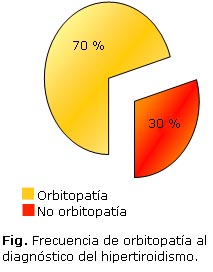
<body><![CDATA[<p class=MsoNormal align=center style='margin-bottom:0cm;margin-bottom:.0001pt;   text-align:center;line-height:normal'><span style='font-size:10.0pt;   font-family:Verdana'>0,03</span></p>         </td>       <td width=93 nowrap valign=top style='width:70.0pt;padding:0cm 5.4pt 0cm 5.4pt;   height:3.15pt' height="32">              <p class=MsoNormal align=center style='margin-bottom:0cm;margin-bottom:.0001pt;   text-align:center;line-height:normal'><span style='font-size:10.0pt;   font-family:Verdana'>0,03</span></p>         </td>       <td width=52 nowrap valign=top style='width:39.15pt;padding:0cm 5.4pt 0cm 5.4pt;   height:3.15pt' height="32">              <p class=MsoNormal align=center style='margin-bottom:0cm;margin-bottom:.0001pt;   text-align:center;line-height:normal'><span style='font-size:10.0pt;   font-family:Verdana'>&nbsp;</span><span style='font-size:10.0pt;   font-family:Verdana'>0,22</span></p>         </td>     </tr>     <tr style='height:18.75pt'>        <td width=257 nowrap valign=top style='width:192.45pt;padding:0cm 5.4pt 0cm 5.4pt;   height:18.75pt'>              <p class=MsoNormal style='margin-bottom:0cm;margin-bottom:.0001pt;line-height:   normal'><span style='font-size:10.0pt;font-family:Verdana'>Tirotropina total</span><span   style='font-size:10.0pt;font-family:Verdana'> (T<sub>4</sub>) (mediana nmol/L)</span></p>       </td>       <td width=100 nowrap valign=top style='width:75.0pt;padding:0cm 5.4pt 0cm 5.4pt;   height:18.75pt'>              <p class=MsoNormal align=center style='margin-bottom:0cm;margin-bottom:.0001pt;   text-align:center;line-height:normal'><span style='font-size:10.0pt;   font-family:Verdana'>-</span></p>       </td>       <td width=89 nowrap valign=top style='width:66.7pt;padding:0cm 5.4pt 0cm 5.4pt;   height:18.75pt'>              <p class=MsoNormal align=center style='margin-bottom:0cm;margin-bottom:.0001pt;   text-align:center;line-height:normal'><span style='font-size:10.0pt;   font-family:Verdana'>233,7</span></p>       </td>       <td width=93 nowrap valign=top style='width:70.0pt;padding:0cm 5.4pt 0cm 5.4pt;   height:18.75pt'>              <p class=MsoNormal align=center style='margin-bottom:0cm;margin-bottom:.0001pt;   text-align:center;line-height:normal'><span style='font-size:10.0pt;   font-family:Verdana'>218,53</span></p>       </td>       <td width=52 nowrap valign=top style='width:39.15pt;padding:0cm 5.4pt 0cm 5.4pt;   height:18.75pt'>              <p class=MsoNormal align=center style='margin-bottom:0cm;margin-bottom:.0001pt;   text-align:center;line-height:normal'><span style='font-size:10.0pt;   font-family:Verdana'>0,98</span></p>       </td>     </tr>   </table>       <p align="left">    <br>     <font size="2" face="Verdana">La <a href="#fig1">figura</a> muestra la frecuencia      de orbitopat&iacute;a al diagn&oacute;stico del hipertiroidismo. Se observa      que el 70 % de los pacientes present&oacute; orbitopat&iacute;a tiroidea al      inicio. </font></p> </div>      ]]></body>
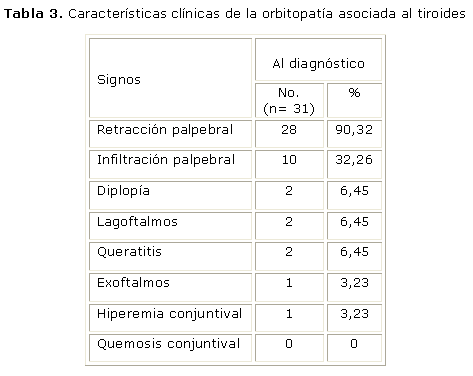
<body><![CDATA[<P align="center"><font size="2" face="Verdana"> <img src="/img/revistas/end/v24n3/f0103413.jpg" width="213" height="272"></font>    <a name="fig1"></a>     <P><font size="2" face="Verdana">La clasificaci&oacute;n de la orbitopat&iacute;a    seg&uacute;n grado y actividad cl&iacute;nica (<a href="#tab2">tabla 2</a>)    mostr&oacute; lo siguiente: hab&iacute;a 31 pacientes con orbitopat&iacute;a.    La mayor parte mostr&oacute; una orbitopat&iacute;a leve inactiva, con un grupo    inicialmente 28 casos, para un 90,32 %. Al momento del diagn&oacute;stico presentaban    una orbitopat&iacute;a moderada inactiva 3 pacientes, para un 9,68 %. No se    encontr&oacute; ning&uacute;n paciente con orbitopat&iacute;a severa. </font>      <P align="center"><font size="2" face="Verdana"> <img src="/img/revistas/end/v24n3/t0203313.gif" width="481" height="252"></font>    <a name="tab2"></a>     <P><font size="2" face="Verdana">La <a href="#tab3">tabla 3</a> muestra las caracter&iacute;sticas    cl&iacute;nicas de la orbitopat&iacute;a asociada al tiroides en los pacientes    estudiados. Es el signo m&aacute;s frecuente fue la retracci&oacute;n palpebral,    con 90,32 %, seguido de la infiltraci&oacute;n palpebral, con 32,26 %. La diplop&iacute;a,    el lagoftalmos y la queratitis se presentaron con una frecuencia similar de    6,45 %, mientras el exoftalmos y la hiperemia conjuntival solo se presentaron    en un 3,23 % en el momento del diagn&oacute;stico. La quemosis conjuntival no    se encontr&oacute; en ning&uacute;n paciente. </font>      <P align="center"><font size="2" face="Verdana"> <img src="/img/revistas/end/v24n3/t0303313.gif" width="473" height="376"></font>    <a name="tab3"></a>     <P>&nbsp;     <P><font size="2" face="Verdana"><B><font size="3">DISCUSI&Oacute;N</font></B>    </font>     <P><font size="2" face="Verdana">La OT es la primera causa de enfermedad orbitaria,    conocida tambi&eacute;n con el nombre de oftalmopat&iacute;a de Graves (OG)    por su asociaci&oacute;n con la enfermedad de Graves. Se considera la manifestaci&oacute;n    extratiroidea m&aacute;s frecuente de esta enfermedad, aunque puede presentarse    en pacientes sin historia pasada o presente de hipertiroidismo (eutiroideos),    en pacientes hipotiroideos y en la tiroiditis de Hashimoto.<SUP>18 </SUP>Debido    a que la enfermedad involucra la &oacute;rbita en su conjunto, hay autores que    prefieren el t&eacute;rmino orbitopat&iacute;a al de oftalmopat&iacute;a, ya    que refleja mejor la patogenia actual de la entidad.<SUP>19</SUP> </font>     <P><font size="2" face="Verdana">Alrededor del 10-20 % de los pacientes desarrollan    trastornos oculares en los meses antes de volverse hipertiroideos, y entre el    10-15 % los presenta al mismo tiempo que la tirotoxicosis.<SUP>20,21</SUP> Ocasionalmente    la OT precede en varios a&ntilde;os la disfunci&oacute;n tiroidea.<SUP>22</SUP>    </font>      <P><font size="2" face="Verdana">La OG puede ser cl&iacute;nicamente evidente    en el 30-50 % de los pacientes, y asciende hasta el 80 % cuando se realizan    estudios de im&aacute;genes de la &oacute;rbita.<SUP>23-25<FONT COLOR="#ff0000">    </FONT></SUP>En el estudio de <I>C&aacute;ceres</I><SUP>26</SUP> la oftalmopat&iacute;a    se present&oacute; en el 51 %, y en otra investigaci&oacute;n revisada al respecto    apareci&oacute; en el 38,7 %.<SUP>27 </SUP>Nuestros resultados mostraron una    frecuencia superior (al inicio 70 %), lo que consideramos se deba a que se busc&oacute;    esta afecci&oacute;n de manera activa en todos los pacientes, aunque estuvieran    asintom&aacute;ticos. </font>     ]]></body>
<body><![CDATA[<P><font size="2" face="Verdana">Tal como se obtuvo en nuestro estudio, esta entidad    es m&aacute;s frecuente en el sexo femenino. Los autores se&ntilde;alan aproximadamente    una proporci&oacute;n de 3:1,<SUP>26</SUP> otros investigadores<SUP>5,28,29</SUP>    han planteado una incidencia de 5:1 y hasta de 8:1; sin embargo, la asociaci&oacute;n    con el sexo en ocasiones se comporta desde el punto de vista cl&iacute;nico    y no con significaci&oacute;n estad&iacute;stica, detalle que ocurri&oacute;    en nuestra investigaci&oacute;n.<SUP> </SUP>Las mujeres tienen 5 veces mayor    probabilidad de estar afectadas por la OT que los hombres, pero esto b&aacute;sicamente    refleja la elevada incidencia de la enfermedad de Graves en mujeres.<SUP>5,30</SUP>    </font>     <P>      <P><font size="2" face="Verdana">La edad de aparici&oacute;n de la OT presenta    aparentemente un pico de incidencia, tanto en hombres como en mujeres, con grupos    de edades de 40-44 a&ntilde;os y 60-64 a&ntilde;os en mujeres, y entre los 45-49    a&ntilde;os y 65-69 a&ntilde;os en hombres; pero el rango de edad puede oscilar    entre los 25-65 a&ntilde;os, y la edad media de presentaci&oacute;n es ligeramente    mayor en hombres que en mujeres,<SUP>19</SUP> dato que se corresponde con nuestro    resultados. </font>     <P><font size="2" face="Verdana">En cuanto al color de la piel, la literatura    reporta un predominio de los individuos blancos,<SUP>31-33</SUP> resultado que    coincide con los nuestros; sin embargo, cuando se presenta en los individuos    con piel negra, es muy probable que se manifieste una orbitopat&iacute;a severa.<SUP>26    </SUP>Esta asociaci&oacute;n no se reporta en otras publicaciones.<SUP>31-34</SUP>    </font>     <P><font size="2" face="Verdana">En esta investigaci&oacute;n no se encontr&oacute;    asociaci&oacute;n estad&iacute;sticamente significativa entre el h&aacute;bito    de fumar y la presencia de orbitopat&iacute;a, aunque cabe se&ntilde;alar que    predominaron los pacientes fumadores. Est&aacute; descrito que el h&aacute;bito    de fumar es un factor de riesgo para el desarrollo de la OT.<SUP>34-41 </SUP>Nuestro    resultado se cree se deba a lo reducido del n&uacute;mero de la muestra. </font>     <P><font size="2" face="Verdana">Los mecanismos por los cuales el tabaquismo afecta    esta enfermedad son desconocidos. La nicotina aumenta la actividad del sistema    nervioso simp&aacute;tico, afecta las c&eacute;lulas foliculares del tiroides,    y aumentando la secreci&oacute;n de hormonas tiroideas.<SUP>42 </SUP>La OT se    caracteriza por inflamaci&oacute;n, producci&oacute;n excesiva de glucosaminoglucanos    y adipog&eacute;nesis en la &oacute;rbita, que se favorece, por lo menos parcialmente,    por la liberaci&oacute;n de citoquinas inflamatorias. El tabaquismo tiene un    efecto sobre el sistema inmune porque aumenta la producci&oacute;n de citoquinas    proinflamatorias por las c&eacute;lulas mononucleares.<SUP>43-46</SUP> </font>     <P><font size="2" face="Verdana">En una investigaci&oacute;n revisada se encontr&oacute;    que el 86,7 % de los casos ten&iacute;a t&iacute;tulos elevados de autoanticuerpos    anti-peroxidasa tiroidea, pues fue positivo en 52 de 60 pacientes.<SUP><FONT  COLOR="#00ff00"> </FONT></SUP>La media del valor de TPOAbs en nuestra investigaci&oacute;n    fue 264,31&#177;47,4 U/dL.<SUP>27 </SUP>En este estudio tambi&eacute;n se encontr&oacute;    que la mayor&iacute;a de los pacientes pose&iacute;an t&iacute;tulos elevados    de anticuerpos anti-TPO, aunque esa asociaci&oacute;n tampoco fue estad&iacute;sticamente    significativa.<U> </U> </font>     <P><font size="2" face="Verdana">Se reporta que la disfunci&oacute;n tiroidea,    tanto el hiper como el hipotiroidismo, puede influir negativamente sobre la    OT.<SUP>47</SUP> Es de esperar que al diagn&oacute;stico, todos los pacientes    presentaran niveles suprimidos de TSH y elevados de T<SUB>4</SUB>, y por tanto,    no hubo significaci&oacute;n estad&iacute;stica al asociarlo con la presencia    de OT<I>.</I> </font>     <P><font size="2" face="Verdana">La OT es una alteraci&oacute;n frecuente, casi    universal en su variante subcl&iacute;nica, pero en la mayor parte de los casos,    leve.<SUP>48,49 </SUP>Los endocrin&oacute;logos acumulan una experiencia escasa    en los casos graves que realmente requieren tratamiento espec&iacute;fico. La    mayor&iacute;a de las veces, la cl&iacute;nica de la OT es leve o moderada,    y solo 3 a 5 % de los pacientes desarrolla una oftalmopat&iacute;a grave que    puede llegar a poner en peligro la visi&oacute;n,<SUP>34</SUP> lo que coincide    con nuestros resultados. </font>     <P><font size="2" face="Verdana">En la exploraci&oacute;n los signos que se pueden    encontrar son m&uacute;ltiples, desde la retracci&oacute;n palpebral hasta el    m&aacute;s llamativo, que es la protrusi&oacute;n del globo ocular o exoftalmos,    en que el globo ocular es empujado hacia delante por el contenido orbitario    aumentado, gracias a lo cual se alivia la presi&oacute;n intraorbitaria. El    exoftalmos suele ser bilateral y asim&eacute;trico, y en casos extremos se puede    llegar a la subluxaci&oacute;n del globo ocular. Otros posibles hallazgos exploratorios    son la infiltraci&oacute;n palpebral, el edema periorbitario, la hiperemia palpebral,    la inyecci&oacute;n conjuntival, el edema de la conjuntiva o quemosis, y el    estrabismo debido a la disfunci&oacute;n de los m&uacute;sculos extraoculares.    Como consecuencia del exoftalmos y la retracci&oacute;n palpebral puede presentarse    lagoftalmos, o puede hallarse una queratitis como consecuencia de la exposici&oacute;n    continua de la c&oacute;rnea, que puede llegar a producir &uacute;lceras corneales.    El aumento de tejido graso que se produce en la &oacute;rbita tambi&eacute;n    puede manifestarse en las regiones periorbitaria y palpebral, y es muy caracter&iacute;stico    de los pacientes con OT una hipertrofia de la grasa suborbicular del p&aacute;rpado    superior.<SUP>50</SUP> </font>     ]]></body>
<body><![CDATA[<P><font size="2" face="Verdana">La retracci&oacute;n es el signo cardinal de    afectaci&oacute;n palpebral.<SUP>17,19 </SUP>Este fue el signo m&aacute;s frecuente    encontrado en nuestro estudio. Se reconoce como uno de los m&aacute;s precoces    en aparecer en la OT, y es motivo frecuente de la primera consulta o de preocupaci&oacute;n    del paciente;<SUP>19 </SUP>por tanto, es un resultado esperado, ya que en este    trabajo se busca la entidad al momento del diagn&oacute;stico del hipertiroidismo.    La frecuencia de los otros signos encontrados en los pacientes como la infiltraci&oacute;n    conjuntival, el exoftalmos y la hiperemia conjuntival, result&oacute; menos    frecuente, lo que se corresponde con lo encontrado en la literatura.<SUP>17,19</SUP>    </font>     <P><font size="2" face="Verdana">Dado que est&aacute; demostrado que la OT es    una condici&oacute;n frecuente al inicio del hipertiroidismo y su forma de presentaci&oacute;n    m&aacute;s frecuente es la leve inactiva -que puede escapar a la vista del cl&iacute;nico    y el endocrin&oacute;logo- se considera de suma importancia que todos los pacientes    con diagn&oacute;stico reciente de hipertiroidismo sean valorados de inmediato    por el servicio de oftalmolog&iacute;a, en aras de un mejor pron&oacute;stico    y calidad de vida para ellos. </font>      <P>     <P>&nbsp;     <P>      <P>      <P>      <P>      <P>      <P>      ]]></body>
<body><![CDATA[<P>      <P>      <P>      <P>      <P>      <P>      <P>      <P>      <P>      <P>      ]]></body>
<body><![CDATA[<P>      <P><font size="3" face="Verdana"><B>REFERENCIAS BIBLIOGR&Aacute;FICAS</B> </font>     <!-- ref --><P><font size="2" face="Verdana">1. Farreras Valenti P, Rozman C. Medicina<I>    </I>Interna. Enfermedades del Tiroides. Madrid: Ed. Harcourt. 16&#186; edici&oacute;n;    2008. p. 157-79.     </font>      <!-- ref --><P><font size="2" face="Verdana">2. Navarro Despaigne D. Epidemiolog&iacute;a    de las enfermedades del tiroides en Cuba. Rev Cubana Endocrinol. 2004;15:12-4.        </font>     <!-- ref --><P><font size="2" face="Verdana">3. Piantanida E, Tanda ML, Lai A, Sassi L, Bartalena    L. Prevalence and natural history of Graves' orbitopathy in the XXI century.    J Endocrinol Invest. 2013;16:1-3.     </font>     <!-- ref --><P><font size="2" face="Verdana">4. Bartalena L, Wiersinga WM, Pinchera A. Graves'    ophthalmopathy: state of the art and perspectives. J Endocrinol Invest. 2004;27:295-301.        </font>     ]]></body>
<body><![CDATA[<!-- ref --><P><font size="2" face="Verdana">5. Girgis C, Champion B, Wall J. Current concepts    in Graves disease. Ther Adv Endocrinol Metab. 2011;2:135-44.     </font>     <!-- ref --><P><font size="2" face="Verdana">6. Ponce de Le&oacute;n Su&aacute;rez EF, Rodr&iacute;guez    Cabrera L, Tovilla Canales JL, Soto Abreu NV, Quiroz Gonz&aacute;lez MA. Caracter&iacute;sticas    cl&iacute;nicas y tomogr&aacute;ficas en pacientes con orbitopat&iacute;a tiroidea.    Rev Mex Oftalmol. 2008;82:281-3.     </font>     <!-- ref --><P><font size="2" face="Verdana">7. Cappelli C, Pirola I, De Martino E. The role    of imaging in Graves' disease: a cost-effectiveness analysis. Eur J Radiol.    2008;65:99-103.     </font>     <!-- ref --><P><font size="2" face="Verdana">8. Bahn R, Burch H, Cooper D, Garber J, Greenle    C, Klein I, et al. Hyperthyroidism and other causes of thyrotoxicosis: management    guidelines of the American Thyroid Association and American Association of Clinical    Endocrinologist. Endocr Pract. 2011;7:1-46.     </font>     <!-- ref --><P><font size="2" face="Verdana">9. Alves M, Neves C, Carvalho D, Medina JL. Thyroid    associated orbitopathy. Acta Med Port. 2011;24(6):1041-50.     </font>     ]]></body>
<body><![CDATA[<!-- ref --><P><font size="2" face="Verdana">10. Ponto KA, Kahaly GJ. Autoimmune thyrotoxicosis:    diagnostic challenges. Am J Med. 2012;125(9):S1.     </font>     <!-- ref --><P><font size="2" face="Verdana">11. Ham&eacute;dani M, Ob&eacute;ric A. Thyroid    associated orbitopathy: from diagnosis to treatment. Rev Med Suisse. 2013;9(368):66-71.        </font>     <!-- ref --><P><font size="2" face="Verdana">12. Hiromatsu Y, Kaku H, Miyake I, Murayama S,    Soejima E. Role of cytokines in the pathogenesis of thyroid-associated ophthalmopathy.    Thyroid. 2002;12:217-21.     </font>     <!-- ref --><P><font size="2" face="Verdana">13. Bednarczuk T, Hiromatsu Y, Inoue Y, Yamamoto    K, Wall JR, Nauman J, et al. T-cell-mediated immunity in thyroid-associated    ophthalmopathy. Thyroid. 2002;12:209-15.     </font>     <!-- ref --><P><font size="2" face="Verdana">14. Smith TJ. Orbital fibroblasts exhibit a novel    pattern of responses to proinflammatory cytokines: potential basis for the pathogenesis    of thyroid-associated ophthalmopathy. Thyroid. 2002;12:197-203.     </font>     ]]></body>
<body><![CDATA[<!-- ref --><P><font size="2" face="Verdana">15.<FONT COLOR="#92d050"> </FONT>Jang SY, Shin    DY, Lee EJ, Choi YJ, Lee SY, Yoon JS. Correlation between THS receptor antibody    assay and clinical manifestations of Graves'orbitopathy. Yonsei Med J. 2013    Jul 1;54(4):1033-9.     </font>     <!-- ref --><P><font size="2" face="Verdana">16. Bahn RS. Graves' ophthalmopathy. N Eng J    Med. 2010;362:726-38.     </font>     <!-- ref --><P><font size="2" face="Verdana">17. Infante Amor&oacute;s A, Turcios Trist&aacute;    SE. Hipertiroidismo. Rev Cubana Endocrinol. 2012;23(3):1-7.     </font>     <!-- ref --><P><font size="2" face="Verdana">18. Wiersinga WM, Bartalena L. Epidemiology and    prevention of Graves'ofthalmopathy. Thyroid. 2002;12:855-60.     </font>     <!-- ref --><P><font size="2" face="Verdana">19.<B> </B>Maciques Rodr&iacute;guez JE, C&aacute;ceres    Toledo M. Orbitopat&iacute;a<B> </B>tiroidea. Rev Cubana Endocrinol. 2012;23(3):2-5.        </font>     ]]></body>
<body><![CDATA[<!-- ref --><P><font size="2" face="Verdana">20. Wiersinga WM. Management of Graves' ophthalmopathy.    Nat Clin Pract Endocrinol Metab. 2007;3:396-404.    <FONT  COLOR="#92d050"> </FONT></font>      <!-- ref --><P><font size="2" face="Verdana">21. Kendall-Taylor P. Natural history. In: Wiersinga    WM, Kahaly GJ, eds. Graves' orbitopathy. A multidisciplinary approach. Basel:    Karger; 2010. p. 96-9.     </font>     <!-- ref --><P><font size="2" face="Verdana">22. Perros P, Neoh C, Dickinson J. Thyroid eye    disease. BMJ. 2009;338:560-91.     </font>     <!-- ref --><P><font size="2" face="Verdana">23. Weetman<FONT COLOR="#92d050"> </FONT>A. Graves'    disease. N Engl J Med. 2000;(3):1236-48.     </font>     <!-- ref --><P><font size="2" face="Verdana">24. Khoo TK, Bahn RS. Pathogenesis of Graves'    ophthalmopathy: the role of autoantibodies. Thyroid. 2007;17:1013-7.     </font>     ]]></body>
<body><![CDATA[<!-- ref --><P><font size="2" face="Verdana">25. Bartalena L. The Dilemma of How to Manage    Graves' Hyperthyroidism in Patients with Associated Orbitopathy. J Clin Endocrinol    Metab. 2011;96:592-9.     </font>     <!-- ref --><P><font size="2" face="Verdana">26. C&aacute;ceres Toledo M, M&aacute;rquez Fern&aacute;ndez    M, Caballero Regueira J, Caballero Pinelo L. Oftalmopat&iacute;a tiroidea. Variantes    terap&eacute;uticas. Rev Cubana Oftalmol. 2004;17:11-9.     </font>     <!-- ref --><P><font size="2" face="Verdana">27. Cieza Diaz D, Centeno Clemente C, Pinto Valdivia    M. Caracter&iacute;sticas cl&iacute;nicas, perfil hormonal y marcadores de autoinmunidad    en pacientes con enfermedad de Graves. Rev Med Hered. 2008;19:45-9.     </font>     <!-- ref --><P><font size="2" face="Verdana">28. Zegada JA. <FONT  COLOR="#221e1f">Uso<B> </B>de Triamcinolona en Orbitopat&iacute;a Tiroidea.</FONT></font><font color="#800000" size="2" face="Verdana">    </font><font size="2" face="Verdana">Gac Med Bol. 2009;32(2):2-5.     </font>     <!-- ref --><P><font size="2" face="Verdana">29. S&aacute;nchez Povis JE, Sandoval Okuma JC,    Contreras Carre&ntilde;o SE, Cabello Morales E. Tratamiento de la Enfermedad    de Graves Basedow con metimazol o yodo radioactivo: experiencia en el Servicio    de Endocrinolog&iacute;a del HNAL. Rev Med Herediana. 2006;17(1):2-7.     </font>     ]]></body>
<body><![CDATA[<!-- ref --><P><font size="2" face="Verdana">30. Cawood T, Moriarty P, O'Shea D. Recent developments    in thyroid eye disease. BMJ. 2004;329:385-92.     </font>     <!-- ref --><P><font size="2" face="Verdana">31. Gorman CA. The measurement of change in Graves'    ophthalmopathy. Thyroid. 1998;8:539-43.     </font>     <!-- ref --><P><font size="2" face="Verdana">32. Marrero Rodr&iacute;guez MT, Rodr&iacute;guez    Gonz&aacute;lez JC, Alaves Mart&iacute;n E. Evoluci&oacute;n oftalmol&oacute;gica    en pacientes hipertiroideos tratados con yodo radiactivo. Rev Cubana Endocrinol.    2005;16(2):1-3.     </font>     <!-- ref --><P><font size="2" face="Verdana">33. Barttley GB, Fatuorechi V. Kardrmas EF, Jacobsen    SJ, Ilsrtup DM, Garrity GA, et al. The treatment of Graves' ophthalmopathy in    an incidence cohort. Am J Ophthalmo. 1996;12:200-8.     </font>     <!-- ref --><P><font size="2" face="Verdana">34. Bartalena L, Pinchera A, Marcocci C. Management    of Graves' ophthalmopathy: reality and perspectives. Endocr Rev. 2000;21:168-99.        </font>     ]]></body>
<body><![CDATA[<!-- ref --><P><font size="2" face="Verdana">35. Wiersinga WM. Smoking And Thyroid. Clinical    Endocrinology. 2013;79(Issue 2):145-51.     </font>     <P><font size="2" face="Verdana">36. Wiersinga WM. Graves' orbitopathy: management    of difficult cases. 2012;16(Suppl 2):150-2. </font>     <!-- ref --><P><font size="2" face="Verdana">37. Czarnywojtek A, Zgorzalewicz-Stachowiak M,    Stangierski A, Florek E, Zdanowska J, Katarzyna H, et al. Thyroid associated    orbitopathy&#151;medication, radioiodine or operation? Clinical Endocrinology.    2012;69(10):1140-3.    <FONT  COLOR="#ff0000"> </FONT></font>      <!-- ref --><P><font size="2" face="Verdana">38. Vestergaard P. Smoking and thyroid disorders:    a meta-analysis. Eur J Endocrinol. 2002;146:153-61.     </font>     <!-- ref --><P><font size="2" face="Verdana">39. Pfeilschifter J, Ziegler R. Smoking and endocrine    ophthalmopathy: impact of smoking severity and current <I>vs.</I> lifetime cigarette    consumption. Clin Endocrinol. 1996;45:477-81.     </font>     <!-- ref --><P><font size="2" face="Verdana">40. Shine B, Fells P, Edwards OM. Association<FONT  COLOR="#92d050"> </FONT>between Graves' ophthalmopathy and smoking. Lancet. 1990;335:1261-3.        </font>     <!-- ref --><P><font size="2" face="Verdana">41. Traisk F, Tallstedt L, Abraham-Nordling M,    Andersson T, Berg G. Thyroid-associated ophthalmopathy after treatment for Graves'    hyperthyroidism with antithyroid drugs or iodine-131. J Clin Endocrinol Metab.    2009;94:3700-7.     </font>     <!-- ref --><P><font size="2" face="Verdana">42. Utiger RD. Effects of smoking on thyroid    function. Eur J Endocrinol. 1998;138:368-9.     </font>     <!-- ref --><P><font size="2" face="Verdana">43. Carle A, Bulow Pedersen I, Knudsen N, Perrild    H, Ovesen L, Rasmussen LB, et al. Smoking cessation is followed by a sharp but    transient rise in the incidence of overt autoimmune hypothyroidism -a population-based,    case-control study. Clinical Endocrinology. 2012;77:764-72.     </font>     <!-- ref --><P><font size="2" face="Verdana">44. Ryder MI, Saghizadeh M, Ding Y. Effects of    tobacco smoke on the secretion of interleukin-1 beta, tumor necrosis factor-alpha,    and transforming growth factor-beta from peripheral blood mononuclear cells.    Oral Microbiol Immunol. 2002;17:331-6.     </font>     <!-- ref --><P><font size="2" face="Verdana">45. Arnson Y, Shoenfeld Y, Amital H. Effects    of tobacco smoke on immunity, inflammation and autoimmunity. Journal of Autoimmunity.    2010;34:258-65.     </font>     <!-- ref --><P><font size="2" face="Verdana">46. Cawood TJ, Moriarty P, O'Farrelly C. Smoking    and thyroid-associated ophthalmopathy: a novel explanation of the biological    link. J Clin Endocrinol Metab. 2007;92:59-64 </font>     <!-- ref --><P><font size="2" face="Verdana">47. Prummel MF, Wiersinga WM, Mourits MP, Koornneef    L, Berghout A, Van der Gaag R, et al. Effect of abnormal thyroid function on    the severity of Graves' ophthalmopathy. Arch Intern Med. 1990;150:1088-101.        </font>     <!-- ref --><P><font size="2" face="Verdana">48. Ponto KA, Merkesdal S, Hommel G, Pitz S,    Pfeiffer N, Kahaly GJ. Public health relevance of Graves' orbitopathy. J Clin    Endocrinol Metab. 2013 Jan;98(1):145-52.     </font>     <!-- ref --><P><font size="2" face="Verdana">49. Burch HB, Wartofsky L. Graves' ophthalmopaty:    current concepts regarding pathogenesis and management. Endocr Rev. 1993;14:747-93.        </font>     <!-- ref --><P><font size="2" face="Verdana">50. Aguirre S&aacute;nchez-Covisa MA. Tratamiento    de la oftalmopat&iacute;a tiroidea. Endocrinol Nutr. 2006;53:550-8.     </font>     ]]></body>
<body><![CDATA[<P>&nbsp;     <P>&nbsp;     <P>      <P>      <P><font size="2" face="Verdana">Recibido: 24 de abril de 2013.    <br>   </font><font size="2" face="Verdana">Aprobado: 8 de junio de 2013.</font>     <P>&nbsp;     <P>&nbsp;     <P>      <P><font size="2" face="Verdana"><I>Marelis Yanes Quesada.</I> Instituto Nacional    de Endocrinolog&iacute;a.<I> </I>Calle Zapata y D, Vedado, municipio Plaza de    la Revoluci&oacute;n.<I> </I>La Habana, Cuba. Correo electr&oacute;nico:<B>    </B><U><a href="mailto:ileydis@infomed.sld.cu">ileydis@infomed.sld.cu</a><FONT  COLOR="#0000ff"> </FONT></U> </font>     ]]></body>
<body><![CDATA[ ]]></body><back>
<ref-list>
<ref id="B1">
<label>1</label><nlm-citation citation-type="book">
<person-group person-group-type="author">
<name>
<surname><![CDATA[Farreras Valenti]]></surname>
<given-names><![CDATA[P]]></given-names>
</name>
<name>
<surname><![CDATA[Rozman]]></surname>
<given-names><![CDATA[C]]></given-names>
</name>
</person-group>
<source><![CDATA[Medicina Interna: Enfermedades del Tiroides]]></source>
<year>2008</year>
<edition>16º</edition>
<page-range>157-79</page-range><publisher-loc><![CDATA[Madrid ]]></publisher-loc>
<publisher-name><![CDATA[Ed. Harcourt]]></publisher-name>
</nlm-citation>
</ref>
<ref id="B2">
<label>2</label><nlm-citation citation-type="journal">
<person-group person-group-type="author">
<name>
<surname><![CDATA[Navarro Despaigne]]></surname>
<given-names><![CDATA[D]]></given-names>
</name>
</person-group>
<article-title xml:lang="es"><![CDATA[Epidemiología de las enfermedades del tiroides en Cuba]]></article-title>
<source><![CDATA[Rev Cubana Endocrinol.]]></source>
<year>2004</year>
<volume>15</volume>
<page-range>12-4</page-range></nlm-citation>
</ref>
<ref id="B3">
<label>3</label><nlm-citation citation-type="journal">
<person-group person-group-type="author">
<name>
<surname><![CDATA[Piantanida]]></surname>
<given-names><![CDATA[E]]></given-names>
</name>
<name>
<surname><![CDATA[Tanda]]></surname>
<given-names><![CDATA[ML]]></given-names>
</name>
<name>
<surname><![CDATA[Lai]]></surname>
<given-names><![CDATA[A]]></given-names>
</name>
<name>
<surname><![CDATA[Sassi]]></surname>
<given-names><![CDATA[L]]></given-names>
</name>
<name>
<surname><![CDATA[Bartalena]]></surname>
<given-names><![CDATA[L]]></given-names>
</name>
</person-group>
<article-title xml:lang="en"><![CDATA[Prevalence and natural history of Graves' orbitopathy in the XXI century]]></article-title>
<source><![CDATA[J Endocrinol Invest.]]></source>
<year>2013</year>
<volume>16</volume>
<page-range>1-3</page-range></nlm-citation>
</ref>
<ref id="B4">
<label>4</label><nlm-citation citation-type="journal">
<person-group person-group-type="author">
<name>
<surname><![CDATA[Bartalena]]></surname>
<given-names><![CDATA[L]]></given-names>
</name>
<name>
<surname><![CDATA[Wiersinga]]></surname>
<given-names><![CDATA[WM]]></given-names>
</name>
<name>
<surname><![CDATA[Pinchera]]></surname>
<given-names><![CDATA[A]]></given-names>
</name>
</person-group>
<article-title xml:lang="en"><![CDATA[Graves' ophthalmopathy: state of the art and perspectives]]></article-title>
<source><![CDATA[J Endocrinol Invest.]]></source>
<year>2004</year>
<volume>27</volume>
<page-range>295-301</page-range></nlm-citation>
</ref>
<ref id="B5">
<label>5</label><nlm-citation citation-type="journal">
<person-group person-group-type="author">
<name>
<surname><![CDATA[Girgis]]></surname>
<given-names><![CDATA[C]]></given-names>
</name>
<name>
<surname><![CDATA[Champion]]></surname>
<given-names><![CDATA[B]]></given-names>
</name>
<name>
<surname><![CDATA[Wall]]></surname>
<given-names><![CDATA[J]]></given-names>
</name>
</person-group>
<article-title xml:lang="en"><![CDATA[Current concepts in Graves disease]]></article-title>
<source><![CDATA[Ther Adv Endocrinol Metab.]]></source>
<year>2011</year>
<volume>2</volume>
<page-range>135-44</page-range></nlm-citation>
</ref>
<ref id="B6">
<label>6</label><nlm-citation citation-type="journal">
<person-group person-group-type="author">
<name>
<surname><![CDATA[Ponce de León Suárez]]></surname>
<given-names><![CDATA[EF]]></given-names>
</name>
<name>
<surname><![CDATA[Rodríguez Cabrera]]></surname>
<given-names><![CDATA[L]]></given-names>
</name>
<name>
<surname><![CDATA[Tovilla Canales]]></surname>
<given-names><![CDATA[JL]]></given-names>
</name>
<name>
<surname><![CDATA[Soto Abreu]]></surname>
<given-names><![CDATA[NV]]></given-names>
</name>
<name>
<surname><![CDATA[Quiroz González]]></surname>
<given-names><![CDATA[MA]]></given-names>
</name>
</person-group>
<article-title xml:lang="es"><![CDATA[Características clínicas y tomográficas en pacientes con orbitopatía tiroidea]]></article-title>
<source><![CDATA[Rev Mex Oftalmol.]]></source>
<year>2008</year>
<volume>82</volume>
<page-range>281-3</page-range></nlm-citation>
</ref>
<ref id="B7">
<label>7</label><nlm-citation citation-type="journal">
<person-group person-group-type="author">
<name>
<surname><![CDATA[Cappelli]]></surname>
<given-names><![CDATA[C]]></given-names>
</name>
<name>
<surname><![CDATA[Pirola]]></surname>
<given-names><![CDATA[I]]></given-names>
</name>
<name>
<surname><![CDATA[De Martino]]></surname>
<given-names><![CDATA[E]]></given-names>
</name>
</person-group>
<article-title xml:lang="en"><![CDATA[The role of imaging in Graves' disease: a cost-effectiveness analysis]]></article-title>
<source><![CDATA[Eur J Radiol.]]></source>
<year>2008</year>
<volume>65</volume>
<page-range>99-103</page-range></nlm-citation>
</ref>
<ref id="B8">
<label>8</label><nlm-citation citation-type="journal">
<person-group person-group-type="author">
<name>
<surname><![CDATA[Bahn]]></surname>
<given-names><![CDATA[R]]></given-names>
</name>
<name>
<surname><![CDATA[Burch]]></surname>
<given-names><![CDATA[H]]></given-names>
</name>
<name>
<surname><![CDATA[Cooper]]></surname>
<given-names><![CDATA[D]]></given-names>
</name>
<name>
<surname><![CDATA[Garber]]></surname>
<given-names><![CDATA[J]]></given-names>
</name>
<name>
<surname><![CDATA[Greenle]]></surname>
<given-names><![CDATA[C]]></given-names>
</name>
<name>
<surname><![CDATA[Klein]]></surname>
<given-names><![CDATA[I]]></given-names>
</name>
</person-group>
<article-title xml:lang="en"><![CDATA[Hyperthyroidism and other causes of thyrotoxicosis: management guidelines of the American Thyroid Association and American Association of Clinical Endocrinologist]]></article-title>
<source><![CDATA[Endocr Pract.]]></source>
<year>2011</year>
<volume>7</volume>
<page-range>1-46</page-range></nlm-citation>
</ref>
<ref id="B9">
<label>9</label><nlm-citation citation-type="journal">
<person-group person-group-type="author">
<name>
<surname><![CDATA[Alves]]></surname>
<given-names><![CDATA[M]]></given-names>
</name>
<name>
<surname><![CDATA[Neves]]></surname>
<given-names><![CDATA[C]]></given-names>
</name>
<name>
<surname><![CDATA[Carvalho]]></surname>
<given-names><![CDATA[D]]></given-names>
</name>
<name>
<surname><![CDATA[Medina]]></surname>
<given-names><![CDATA[JL]]></given-names>
</name>
</person-group>
<article-title xml:lang="en"><![CDATA[Thyroid associated orbitopathy]]></article-title>
<source><![CDATA[Acta Med Port.]]></source>
<year>2011</year>
<volume>24</volume>
<numero>6</numero>
<issue>6</issue>
<page-range>1041-50</page-range></nlm-citation>
</ref>
<ref id="B10">
<label>10</label><nlm-citation citation-type="journal">
<person-group person-group-type="author">
<name>
<surname><![CDATA[Ponto]]></surname>
<given-names><![CDATA[KA]]></given-names>
</name>
<name>
<surname><![CDATA[Kahaly]]></surname>
<given-names><![CDATA[GJ]]></given-names>
</name>
</person-group>
<article-title xml:lang="en"><![CDATA[Autoimmune thyrotoxicosis: diagnostic challenges]]></article-title>
<source><![CDATA[Am J Med.]]></source>
<year>2012</year>
<volume>125</volume>
<numero>9</numero>
<issue>9</issue>
<page-range>S1</page-range></nlm-citation>
</ref>
<ref id="B11">
<label>11</label><nlm-citation citation-type="journal">
<person-group person-group-type="author">
<name>
<surname><![CDATA[Hamédani]]></surname>
<given-names><![CDATA[M]]></given-names>
</name>
<name>
<surname><![CDATA[Obéric]]></surname>
<given-names><![CDATA[A]]></given-names>
</name>
</person-group>
<article-title xml:lang="en"><![CDATA[Thyroid associated orbitopathy: from diagnosis to treatment]]></article-title>
<source><![CDATA[Rev Med Suisse.]]></source>
<year>2013</year>
<volume>9</volume>
<numero>368</numero>
<issue>368</issue>
<page-range>66-71</page-range></nlm-citation>
</ref>
<ref id="B12">
<label>12</label><nlm-citation citation-type="journal">
<person-group person-group-type="author">
<name>
<surname><![CDATA[Hiromatsu]]></surname>
<given-names><![CDATA[Y]]></given-names>
</name>
<name>
<surname><![CDATA[Kaku]]></surname>
<given-names><![CDATA[H]]></given-names>
</name>
<name>
<surname><![CDATA[Miyake]]></surname>
<given-names><![CDATA[I]]></given-names>
</name>
<name>
<surname><![CDATA[Murayama]]></surname>
<given-names><![CDATA[S]]></given-names>
</name>
<name>
<surname><![CDATA[Soejima]]></surname>
<given-names><![CDATA[E]]></given-names>
</name>
</person-group>
<article-title xml:lang="en"><![CDATA[Role of cytokines in the pathogenesis of thyroid-associated ophthalmopathy]]></article-title>
<source><![CDATA[Thyroid.]]></source>
<year>2002</year>
<volume>12</volume>
<page-range>217-21</page-range></nlm-citation>
</ref>
<ref id="B13">
<label>13</label><nlm-citation citation-type="journal">
<person-group person-group-type="author">
<name>
<surname><![CDATA[Bednarczuk]]></surname>
<given-names><![CDATA[T]]></given-names>
</name>
<name>
<surname><![CDATA[Hiromatsu]]></surname>
<given-names><![CDATA[Y]]></given-names>
</name>
<name>
<surname><![CDATA[Inoue]]></surname>
<given-names><![CDATA[Y]]></given-names>
</name>
<name>
<surname><![CDATA[Yamamoto]]></surname>
<given-names><![CDATA[K]]></given-names>
</name>
<name>
<surname><![CDATA[Wall]]></surname>
<given-names><![CDATA[JR]]></given-names>
</name>
<name>
<surname><![CDATA[Nauman]]></surname>
<given-names><![CDATA[J]]></given-names>
</name>
</person-group>
<article-title xml:lang="en"><![CDATA[T-cell-mediated immunity in thyroid-associated ophthalmopathy]]></article-title>
<source><![CDATA[Thyroid.]]></source>
<year>2002</year>
<volume>12</volume>
<page-range>209-15</page-range></nlm-citation>
</ref>
<ref id="B14">
<label>14</label><nlm-citation citation-type="journal">
<person-group person-group-type="author">
<name>
<surname><![CDATA[Smith]]></surname>
<given-names><![CDATA[TJ]]></given-names>
</name>
</person-group>
<article-title xml:lang="en"><![CDATA[Orbital fibroblasts exhibit a novel pattern of responses to proinflammatory cytokines: potential basis for the pathogenesis of thyroid-associated ophthalmopathy]]></article-title>
<source><![CDATA[Thyroid.]]></source>
<year>2002</year>
<volume>12</volume>
<page-range>197-203</page-range></nlm-citation>
</ref>
<ref id="B15">
<label>15</label><nlm-citation citation-type="journal">
<person-group person-group-type="author">
<name>
<surname><![CDATA[Jang]]></surname>
<given-names><![CDATA[SY]]></given-names>
</name>
<name>
<surname><![CDATA[Shin]]></surname>
<given-names><![CDATA[DY]]></given-names>
</name>
<name>
<surname><![CDATA[Lee]]></surname>
<given-names><![CDATA[EJ]]></given-names>
</name>
<name>
<surname><![CDATA[Choi]]></surname>
<given-names><![CDATA[YJ]]></given-names>
</name>
<name>
<surname><![CDATA[Lee]]></surname>
<given-names><![CDATA[SY]]></given-names>
</name>
<name>
<surname><![CDATA[Yoon]]></surname>
<given-names><![CDATA[JS]]></given-names>
</name>
</person-group>
<article-title xml:lang="en"><![CDATA[Correlation between THS receptor antibody assay and clinical manifestations of Graves'orbitopathy]]></article-title>
<source><![CDATA[Yonsei Med J.]]></source>
<year>2013</year>
<month> J</month>
<day>ul</day>
<volume>54</volume>
<numero>4</numero>
<issue>4</issue>
<page-range>1033-9</page-range></nlm-citation>
</ref>
<ref id="B16">
<label>16</label><nlm-citation citation-type="journal">
<person-group person-group-type="author">
<name>
<surname><![CDATA[Bahn]]></surname>
<given-names><![CDATA[RS]]></given-names>
</name>
</person-group>
<article-title xml:lang="en"><![CDATA[Graves' ophthalmopathy]]></article-title>
<source><![CDATA[N Eng J Med.]]></source>
<year>2010</year>
<volume>362</volume>
<page-range>726-38</page-range></nlm-citation>
</ref>
<ref id="B17">
<label>17</label><nlm-citation citation-type="journal">
<person-group person-group-type="author">
<name>
<surname><![CDATA[Infante Amorós]]></surname>
<given-names><![CDATA[A]]></given-names>
</name>
<name>
<surname><![CDATA[Turcios Tristá]]></surname>
<given-names><![CDATA[SE]]></given-names>
</name>
</person-group>
<article-title xml:lang="es"><![CDATA[Hipertiroidismo]]></article-title>
<source><![CDATA[Rev Cubana Endocrinol.]]></source>
<year>2012</year>
<volume>23</volume>
<numero>3</numero>
<issue>3</issue>
<page-range>1-7</page-range></nlm-citation>
</ref>
<ref id="B18">
<label>18</label><nlm-citation citation-type="journal">
<person-group person-group-type="author">
<name>
<surname><![CDATA[Wiersinga]]></surname>
<given-names><![CDATA[WM]]></given-names>
</name>
<name>
<surname><![CDATA[Bartalena]]></surname>
<given-names><![CDATA[L]]></given-names>
</name>
</person-group>
<article-title xml:lang="en"><![CDATA[Epidemiology and prevention of Graves'ofthalmopathy]]></article-title>
<source><![CDATA[Thyroid.]]></source>
<year>2002</year>
<volume>12</volume>
<page-range>855-60</page-range></nlm-citation>
</ref>
<ref id="B19">
<label>19</label><nlm-citation citation-type="journal">
<person-group person-group-type="author">
<name>
<surname><![CDATA[Maciques Rodríguez]]></surname>
<given-names><![CDATA[JE]]></given-names>
</name>
<name>
<surname><![CDATA[Cáceres Toledo]]></surname>
<given-names><![CDATA[M]]></given-names>
</name>
</person-group>
<article-title xml:lang="es"><![CDATA[Orbitopatía tiroidea]]></article-title>
<source><![CDATA[Rev Cubana Endocrinol.]]></source>
<year>2012</year>
<volume>23</volume>
<numero>3</numero>
<issue>3</issue>
<page-range>2-5</page-range></nlm-citation>
</ref>
<ref id="B20">
<label>20</label><nlm-citation citation-type="journal">
<person-group person-group-type="author">
<name>
<surname><![CDATA[Wiersinga]]></surname>
<given-names><![CDATA[WM]]></given-names>
</name>
</person-group>
<article-title xml:lang="en"><![CDATA[Management of Graves' ophthalmopathy]]></article-title>
<source><![CDATA[Nat Clin Pract Endocrinol Metab.]]></source>
<year>2007</year>
<volume>3</volume>
<page-range>396-404</page-range></nlm-citation>
</ref>
<ref id="B21">
<label>21</label><nlm-citation citation-type="book">
<person-group person-group-type="author">
<name>
<surname><![CDATA[Kendall-Taylor]]></surname>
<given-names><![CDATA[P]]></given-names>
</name>
</person-group>
<article-title xml:lang="en"><![CDATA[Natural history]]></article-title>
<person-group person-group-type="editor">
<name>
<surname><![CDATA[Wiersinga]]></surname>
<given-names><![CDATA[WM]]></given-names>
</name>
<name>
<surname><![CDATA[Kahaly]]></surname>
<given-names><![CDATA[GJ]]></given-names>
</name>
</person-group>
<source><![CDATA[Graves' orbitopathy: A multidisciplinary approach]]></source>
<year>2010</year>
<page-range>96-9</page-range><publisher-loc><![CDATA[Basel ]]></publisher-loc>
<publisher-name><![CDATA[Karger]]></publisher-name>
</nlm-citation>
</ref>
<ref id="B22">
<label>22</label><nlm-citation citation-type="journal">
<person-group person-group-type="author">
<name>
<surname><![CDATA[Perros]]></surname>
<given-names><![CDATA[P]]></given-names>
</name>
<name>
<surname><![CDATA[Neoh]]></surname>
<given-names><![CDATA[C]]></given-names>
</name>
<name>
<surname><![CDATA[Dickinson]]></surname>
<given-names><![CDATA[J]]></given-names>
</name>
</person-group>
<article-title xml:lang="en"><![CDATA[Thyroid eye disease]]></article-title>
<source><![CDATA[BMJ.]]></source>
<year>2009</year>
<volume>338</volume>
<page-range>560-91</page-range></nlm-citation>
</ref>
<ref id="B23">
<label>23</label><nlm-citation citation-type="journal">
<person-group person-group-type="author">
<name>
<surname><![CDATA[Weetman]]></surname>
<given-names><![CDATA[A]]></given-names>
</name>
</person-group>
<article-title xml:lang="en"><![CDATA[Graves' disease]]></article-title>
<source><![CDATA[N Engl J Med.]]></source>
<year>2000</year>
<numero>3</numero>
<issue>3</issue>
<page-range>1236-48</page-range></nlm-citation>
</ref>
<ref id="B24">
<label>24</label><nlm-citation citation-type="journal">
<person-group person-group-type="author">
<name>
<surname><![CDATA[Khoo]]></surname>
<given-names><![CDATA[TK]]></given-names>
</name>
<name>
<surname><![CDATA[Bahn]]></surname>
<given-names><![CDATA[RS]]></given-names>
</name>
</person-group>
<article-title xml:lang="en"><![CDATA[Pathogenesis of Graves' ophthalmopathy: the role of autoantibodies]]></article-title>
<source><![CDATA[Thyroid.]]></source>
<year>2007</year>
<volume>17</volume>
<page-range>1013-7</page-range></nlm-citation>
</ref>
<ref id="B25">
<label>25</label><nlm-citation citation-type="journal">
<person-group person-group-type="author">
<name>
<surname><![CDATA[Bartalena]]></surname>
<given-names><![CDATA[L]]></given-names>
</name>
</person-group>
<article-title xml:lang="en"><![CDATA[The Dilemma of How to Manage Graves' Hyperthyroidism in Patients with Associated Orbitopathy]]></article-title>
<source><![CDATA[J Clin Endocrinol Metab.]]></source>
<year>2011</year>
<volume>96</volume>
<page-range>592-9</page-range></nlm-citation>
</ref>
<ref id="B26">
<label>26</label><nlm-citation citation-type="journal">
<person-group person-group-type="author">
<name>
<surname><![CDATA[Cáceres Toledo]]></surname>
<given-names><![CDATA[M]]></given-names>
</name>
<name>
<surname><![CDATA[Márquez Fernández]]></surname>
<given-names><![CDATA[M]]></given-names>
</name>
<name>
<surname><![CDATA[Caballero Regueira]]></surname>
<given-names><![CDATA[J]]></given-names>
</name>
<name>
<surname><![CDATA[Caballero Pinelo]]></surname>
<given-names><![CDATA[L]]></given-names>
</name>
</person-group>
<article-title xml:lang="es"><![CDATA[Oftalmopatía tiroidea: Variantes terapéuticas]]></article-title>
<source><![CDATA[Rev Cubana Oftalmol.]]></source>
<year>2004</year>
<volume>17</volume>
<page-range>11-9</page-range></nlm-citation>
</ref>
<ref id="B27">
<label>27</label><nlm-citation citation-type="journal">
<person-group person-group-type="author">
<name>
<surname><![CDATA[Cieza Diaz]]></surname>
<given-names><![CDATA[D]]></given-names>
</name>
<name>
<surname><![CDATA[Centeno Clemente]]></surname>
<given-names><![CDATA[C]]></given-names>
</name>
<name>
<surname><![CDATA[Pinto Valdivia]]></surname>
<given-names><![CDATA[M]]></given-names>
</name>
</person-group>
<article-title xml:lang="es"><![CDATA[Características clínicas, perfil hormonal y marcadores de autoinmunidad en pacientes con enfermedad de Graves]]></article-title>
<source><![CDATA[Rev Med Hered.]]></source>
<year>2008</year>
<volume>19</volume>
<page-range>45-9</page-range></nlm-citation>
</ref>
<ref id="B28">
<label>28</label><nlm-citation citation-type="journal">
<person-group person-group-type="author">
<name>
<surname><![CDATA[Zegada]]></surname>
<given-names><![CDATA[JA]]></given-names>
</name>
</person-group>
<article-title xml:lang="es"><![CDATA[Uso de Triamcinolona en Orbitopatía Tiroidea]]></article-title>
<source><![CDATA[Gac Med Bol.]]></source>
<year>2009</year>
<volume>32</volume>
<numero>2</numero>
<issue>2</issue>
<page-range>2-5</page-range></nlm-citation>
</ref>
<ref id="B29">
<label>29</label><nlm-citation citation-type="journal">
<person-group person-group-type="author">
<name>
<surname><![CDATA[Sánchez Povis]]></surname>
<given-names><![CDATA[JE]]></given-names>
</name>
<name>
<surname><![CDATA[Sandoval Okuma]]></surname>
<given-names><![CDATA[JC]]></given-names>
</name>
<name>
<surname><![CDATA[Contreras Carreño]]></surname>
<given-names><![CDATA[SE]]></given-names>
</name>
<name>
<surname><![CDATA[Cabello Morales]]></surname>
<given-names><![CDATA[E]]></given-names>
</name>
</person-group>
<article-title xml:lang="es"><![CDATA[Tratamiento de la Enfermedad de Graves Basedow con metimazol o yodo radioactivo: experiencia en el Servicio de Endocrinología del HNAL]]></article-title>
<source><![CDATA[Rev Med Herediana.]]></source>
<year>2006</year>
<volume>17</volume>
<numero>1</numero>
<issue>1</issue>
<page-range>2-7</page-range></nlm-citation>
</ref>
<ref id="B30">
<label>30</label><nlm-citation citation-type="journal">
<person-group person-group-type="author">
<name>
<surname><![CDATA[Cawood]]></surname>
<given-names><![CDATA[T]]></given-names>
</name>
<name>
<surname><![CDATA[Moriarty]]></surname>
<given-names><![CDATA[P]]></given-names>
</name>
<name>
<surname><![CDATA[O'Shea]]></surname>
<given-names><![CDATA[D]]></given-names>
</name>
</person-group>
<article-title xml:lang="en"><![CDATA[Recent developments in thyroid eye disease]]></article-title>
<source><![CDATA[BMJ.]]></source>
<year>2004</year>
<volume>329</volume>
<page-range>385-92</page-range></nlm-citation>
</ref>
<ref id="B31">
<label>31</label><nlm-citation citation-type="journal">
<person-group person-group-type="author">
<name>
<surname><![CDATA[Gorman]]></surname>
<given-names><![CDATA[CA]]></given-names>
</name>
</person-group>
<article-title xml:lang="en"><![CDATA[The measurement of change in Graves' ophthalmopathy]]></article-title>
<source><![CDATA[Thyroid.]]></source>
<year>1998</year>
<volume>8</volume>
<page-range>539-43</page-range></nlm-citation>
</ref>
<ref id="B32">
<label>32</label><nlm-citation citation-type="journal">
<person-group person-group-type="author">
<name>
<surname><![CDATA[Marrero Rodríguez]]></surname>
<given-names><![CDATA[MT]]></given-names>
</name>
<name>
<surname><![CDATA[Rodríguez González]]></surname>
<given-names><![CDATA[JC]]></given-names>
</name>
<name>
<surname><![CDATA[Alaves Martín]]></surname>
<given-names><![CDATA[E]]></given-names>
</name>
</person-group>
<article-title xml:lang="es"><![CDATA[Evolución oftalmológica en pacientes hipertiroideos tratados con yodo radiactivo]]></article-title>
<source><![CDATA[Rev Cubana Endocrinol.]]></source>
<year>2005</year>
<volume>16</volume>
<numero>2</numero>
<issue>2</issue>
<page-range>1-3</page-range></nlm-citation>
</ref>
<ref id="B33">
<label>33</label><nlm-citation citation-type="journal">
<person-group person-group-type="author">
<name>
<surname><![CDATA[Barttley]]></surname>
<given-names><![CDATA[GB]]></given-names>
</name>
<name>
<surname><![CDATA[Fatuorechi]]></surname>
<given-names><![CDATA[V]]></given-names>
</name>
<name>
<surname><![CDATA[Kardrmas]]></surname>
<given-names><![CDATA[EF]]></given-names>
</name>
<name>
<surname><![CDATA[Jacobsen]]></surname>
<given-names><![CDATA[SJ]]></given-names>
</name>
<name>
<surname><![CDATA[Ilsrtup]]></surname>
<given-names><![CDATA[DM]]></given-names>
</name>
<name>
<surname><![CDATA[Garrity]]></surname>
<given-names><![CDATA[GA]]></given-names>
</name>
</person-group>
<article-title xml:lang="en"><![CDATA[The treatment of Graves' ophthalmopathy in an incidence cohort]]></article-title>
<source><![CDATA[Am J Ophthalmo.]]></source>
<year>1996</year>
<volume>12</volume>
<page-range>200-8</page-range></nlm-citation>
</ref>
<ref id="B34">
<label>34</label><nlm-citation citation-type="journal">
<person-group person-group-type="author">
<name>
<surname><![CDATA[Bartalena]]></surname>
<given-names><![CDATA[L]]></given-names>
</name>
<name>
<surname><![CDATA[Pinchera]]></surname>
<given-names><![CDATA[A]]></given-names>
</name>
<name>
<surname><![CDATA[Marcocci]]></surname>
<given-names><![CDATA[C]]></given-names>
</name>
</person-group>
<article-title xml:lang="en"><![CDATA[Management of Graves' ophthalmopathy: reality and perspectives]]></article-title>
<source><![CDATA[Endocr Rev.]]></source>
<year>2000</year>
<volume>21</volume>
<page-range>168-99</page-range></nlm-citation>
</ref>
<ref id="B35">
<label>35</label><nlm-citation citation-type="journal">
<person-group person-group-type="author">
<name>
<surname><![CDATA[Wiersinga]]></surname>
<given-names><![CDATA[WM]]></given-names>
</name>
</person-group>
<article-title xml:lang="en"><![CDATA[Smoking And Thyroid]]></article-title>
<source><![CDATA[Clinical Endocrinology.]]></source>
<year>2013</year>
<volume>79</volume>
<numero>Issue 2</numero>
<issue>Issue 2</issue>
<page-range>145-51</page-range></nlm-citation>
</ref>
<ref id="B36">
<label>37</label><nlm-citation citation-type="journal">
<person-group person-group-type="author">
<name>
<surname><![CDATA[Czarnywojtek]]></surname>
<given-names><![CDATA[A]]></given-names>
</name>
<name>
<surname><![CDATA[Zgorzalewicz-Stachowiak]]></surname>
<given-names><![CDATA[M]]></given-names>
</name>
<name>
<surname><![CDATA[Stangierski]]></surname>
<given-names><![CDATA[A]]></given-names>
</name>
<name>
<surname><![CDATA[Florek]]></surname>
<given-names><![CDATA[E]]></given-names>
</name>
<name>
<surname><![CDATA[Zdanowska]]></surname>
<given-names><![CDATA[J]]></given-names>
</name>
<name>
<surname><![CDATA[Katarzyna]]></surname>
<given-names><![CDATA[H]]></given-names>
</name>
</person-group>
<article-title xml:lang="en"><![CDATA[Thyroid associated orbitopathy-medication, radioiodine or operation?]]></article-title>
<source><![CDATA[Clinical Endocrinology]]></source>
<year>2012</year>
<volume>69</volume>
<numero>10</numero>
<issue>10</issue>
<page-range>1140-3</page-range></nlm-citation>
</ref>
<ref id="B37">
<label>38</label><nlm-citation citation-type="journal">
<person-group person-group-type="author">
<name>
<surname><![CDATA[Vestergaard]]></surname>
<given-names><![CDATA[P]]></given-names>
</name>
</person-group>
<article-title xml:lang="en"><![CDATA[Smoking and thyroid disorders: a meta-analysis]]></article-title>
<source><![CDATA[Eur J Endocrinol.]]></source>
<year>2002</year>
<volume>146</volume>
<page-range>153-61</page-range></nlm-citation>
</ref>
<ref id="B38">
<label>39</label><nlm-citation citation-type="journal">
<person-group person-group-type="author">
<name>
<surname><![CDATA[Pfeilschifter]]></surname>
<given-names><![CDATA[J]]></given-names>
</name>
<name>
<surname><![CDATA[Ziegler]]></surname>
<given-names><![CDATA[R]]></given-names>
</name>
</person-group>
<article-title xml:lang="en"><![CDATA[Smoking and endocrine ophthalmopathy: impact of smoking severity and current vs. lifetime cigarette consumption]]></article-title>
<source><![CDATA[Clin Endocrinol.]]></source>
<year>1996</year>
<volume>45</volume>
<page-range>477-81</page-range></nlm-citation>
</ref>
<ref id="B39">
<label>40</label><nlm-citation citation-type="journal">
<person-group person-group-type="author">
<name>
<surname><![CDATA[Shine]]></surname>
<given-names><![CDATA[B]]></given-names>
</name>
<name>
<surname><![CDATA[Fells]]></surname>
<given-names><![CDATA[P]]></given-names>
</name>
<name>
<surname><![CDATA[Edwards]]></surname>
<given-names><![CDATA[OM]]></given-names>
</name>
</person-group>
<article-title xml:lang="en"><![CDATA[Association between Graves' ophthalmopathy and smoking]]></article-title>
<source><![CDATA[Lancet.]]></source>
<year>1990</year>
<volume>335</volume>
<page-range>1261-3</page-range></nlm-citation>
</ref>
<ref id="B40">
<label>41</label><nlm-citation citation-type="journal">
<person-group person-group-type="author">
<name>
<surname><![CDATA[Traisk]]></surname>
<given-names><![CDATA[F]]></given-names>
</name>
<name>
<surname><![CDATA[Tallstedt]]></surname>
<given-names><![CDATA[L]]></given-names>
</name>
<name>
<surname><![CDATA[Abraham-Nordling]]></surname>
<given-names><![CDATA[M]]></given-names>
</name>
<name>
<surname><![CDATA[Andersson]]></surname>
<given-names><![CDATA[T]]></given-names>
</name>
<name>
<surname><![CDATA[Berg]]></surname>
<given-names><![CDATA[G]]></given-names>
</name>
</person-group>
<article-title xml:lang="en"><![CDATA[Thyroid-associated ophthalmopathy after treatment for Graves' hyperthyroidism with antithyroid drugs or iodine-131]]></article-title>
<source><![CDATA[J Clin Endocrinol Metab.]]></source>
<year>2009</year>
<volume>94</volume>
<page-range>3700-7</page-range></nlm-citation>
</ref>
<ref id="B41">
<label>42</label><nlm-citation citation-type="journal">
<person-group person-group-type="author">
<name>
<surname><![CDATA[Utiger]]></surname>
<given-names><![CDATA[RD]]></given-names>
</name>
</person-group>
<article-title xml:lang="en"><![CDATA[Effects of smoking on thyroid function]]></article-title>
<source><![CDATA[Eur J Endocrinol.]]></source>
<year>1998</year>
<volume>138</volume>
<page-range>368-9</page-range></nlm-citation>
</ref>
<ref id="B42">
<label>43</label><nlm-citation citation-type="journal">
<person-group person-group-type="author">
<name>
<surname><![CDATA[Carle]]></surname>
<given-names><![CDATA[A]]></given-names>
</name>
<name>
<surname><![CDATA[Bulow Pedersen]]></surname>
<given-names><![CDATA[I]]></given-names>
</name>
<name>
<surname><![CDATA[Knudsen]]></surname>
<given-names><![CDATA[N]]></given-names>
</name>
<name>
<surname><![CDATA[Perrild]]></surname>
<given-names><![CDATA[H]]></given-names>
</name>
<name>
<surname><![CDATA[Ovesen]]></surname>
<given-names><![CDATA[L]]></given-names>
</name>
<name>
<surname><![CDATA[Rasmussen]]></surname>
<given-names><![CDATA[LB]]></given-names>
</name>
</person-group>
<article-title xml:lang="en"><![CDATA[Smoking cessation is followed by a sharp but transient rise in the incidence of overt autoimmune hypothyroidism -a population-based, case-control study]]></article-title>
<source><![CDATA[Clinical Endocrinology.]]></source>
<year>2012</year>
<volume>77</volume>
<page-range>764-72</page-range></nlm-citation>
</ref>
<ref id="B43">
<label>44</label><nlm-citation citation-type="journal">
<person-group person-group-type="author">
<name>
<surname><![CDATA[Ryder]]></surname>
<given-names><![CDATA[MI]]></given-names>
</name>
<name>
<surname><![CDATA[Saghizadeh]]></surname>
<given-names><![CDATA[M]]></given-names>
</name>
<name>
<surname><![CDATA[Ding]]></surname>
<given-names><![CDATA[Y]]></given-names>
</name>
</person-group>
<article-title xml:lang="en"><![CDATA[Effects of tobacco smoke on the secretion of interleukin-1 beta, tumor necrosis factor-alpha, and transforming growth factor-beta from peripheral blood mononuclear cells]]></article-title>
<source><![CDATA[Oral Microbiol Immunol.]]></source>
<year>2002</year>
<volume>17</volume>
<page-range>331-6</page-range></nlm-citation>
</ref>
<ref id="B44">
<label>45</label><nlm-citation citation-type="journal">
<person-group person-group-type="author">
<name>
<surname><![CDATA[Arnson]]></surname>
<given-names><![CDATA[Y]]></given-names>
</name>
<name>
<surname><![CDATA[Shoenfeld]]></surname>
<given-names><![CDATA[Y]]></given-names>
</name>
<name>
<surname><![CDATA[Amital]]></surname>
<given-names><![CDATA[H]]></given-names>
</name>
</person-group>
<article-title xml:lang="en"><![CDATA[Effects of tobacco smoke on immunity, inflammation and autoimmunity]]></article-title>
<source><![CDATA[Journal of Autoimmunity.]]></source>
<year>2010</year>
<volume>34</volume>
<page-range>258-65</page-range></nlm-citation>
</ref>
<ref id="B45">
<label>46</label><nlm-citation citation-type="journal">
<person-group person-group-type="author">
<name>
<surname><![CDATA[Cawood]]></surname>
<given-names><![CDATA[TJ]]></given-names>
</name>
<name>
<surname><![CDATA[Moriarty]]></surname>
<given-names><![CDATA[P]]></given-names>
</name>
<name>
<surname><![CDATA[O'Farrelly]]></surname>
<given-names><![CDATA[C]]></given-names>
</name>
</person-group>
<article-title xml:lang="en"><![CDATA[Smoking and thyroid-associated ophthalmopathy: a novel explanation of the biological link]]></article-title>
<source><![CDATA[J Clin Endocrinol Metab.]]></source>
<year>2007</year>
<volume>92</volume>
<page-range>59-64</page-range></nlm-citation>
</ref>
<ref id="B46">
<label>47</label><nlm-citation citation-type="journal">
<person-group person-group-type="author">
<name>
<surname><![CDATA[Prummel]]></surname>
<given-names><![CDATA[MF]]></given-names>
</name>
<name>
<surname><![CDATA[Wiersinga]]></surname>
<given-names><![CDATA[WM]]></given-names>
</name>
<name>
<surname><![CDATA[Mourits]]></surname>
<given-names><![CDATA[MP]]></given-names>
</name>
<name>
<surname><![CDATA[Koornneef]]></surname>
<given-names><![CDATA[L]]></given-names>
</name>
<name>
<surname><![CDATA[Berghout]]></surname>
<given-names><![CDATA[A]]></given-names>
</name>
<name>
<surname><![CDATA[Van der Gaag]]></surname>
<given-names><![CDATA[R]]></given-names>
</name>
</person-group>
<article-title xml:lang="en"><![CDATA[Effect of abnormal thyroid function on the severity of Graves' ophthalmopathy]]></article-title>
<source><![CDATA[Arch Intern Med.]]></source>
<year>1990</year>
<volume>150</volume>
<page-range>1088-101</page-range></nlm-citation>
</ref>
<ref id="B47">
<label>48</label><nlm-citation citation-type="journal">
<person-group person-group-type="author">
<name>
<surname><![CDATA[Ponto]]></surname>
<given-names><![CDATA[KA]]></given-names>
</name>
<name>
<surname><![CDATA[Merkesdal]]></surname>
<given-names><![CDATA[S]]></given-names>
</name>
<name>
<surname><![CDATA[Hommel]]></surname>
<given-names><![CDATA[G]]></given-names>
</name>
<name>
<surname><![CDATA[Pitz]]></surname>
<given-names><![CDATA[S]]></given-names>
</name>
<name>
<surname><![CDATA[Pfeiffer]]></surname>
<given-names><![CDATA[N]]></given-names>
</name>
<name>
<surname><![CDATA[Kahaly]]></surname>
<given-names><![CDATA[GJ]]></given-names>
</name>
</person-group>
<article-title xml:lang="en"><![CDATA[Public health relevance of Graves' orbitopathy]]></article-title>
<source><![CDATA[J Clin Endocrinol Metab.]]></source>
<year>2013</year>
<month>Ja</month>
<day>n</day>
<volume>98</volume>
<numero>1</numero>
<issue>1</issue>
<page-range>145-52</page-range></nlm-citation>
</ref>
<ref id="B48">
<label>49</label><nlm-citation citation-type="journal">
<person-group person-group-type="author">
<name>
<surname><![CDATA[Burch]]></surname>
<given-names><![CDATA[HB]]></given-names>
</name>
<name>
<surname><![CDATA[Wartofsky]]></surname>
<given-names><![CDATA[L]]></given-names>
</name>
</person-group>
<article-title xml:lang="en"><![CDATA[Graves' ophthalmopaty: current concepts regarding pathogenesis and management]]></article-title>
<source><![CDATA[Endocr Rev.]]></source>
<year>1993</year>
<volume>14</volume>
<page-range>747-93</page-range></nlm-citation>
</ref>
<ref id="B49">
<label>50</label><nlm-citation citation-type="journal">
<person-group person-group-type="author">
<name>
<surname><![CDATA[Aguirre Sánchez-Covisa]]></surname>
<given-names><![CDATA[MA]]></given-names>
</name>
</person-group>
<article-title xml:lang="es"><![CDATA[Tratamiento de la oftalmopatía tiroidea]]></article-title>
<source><![CDATA[Endocrinol Nutr.]]></source>
<year>2006</year>
<volume>53</volume>
<page-range>550-8</page-range></nlm-citation>
</ref>
</ref-list>
</back>
</article>